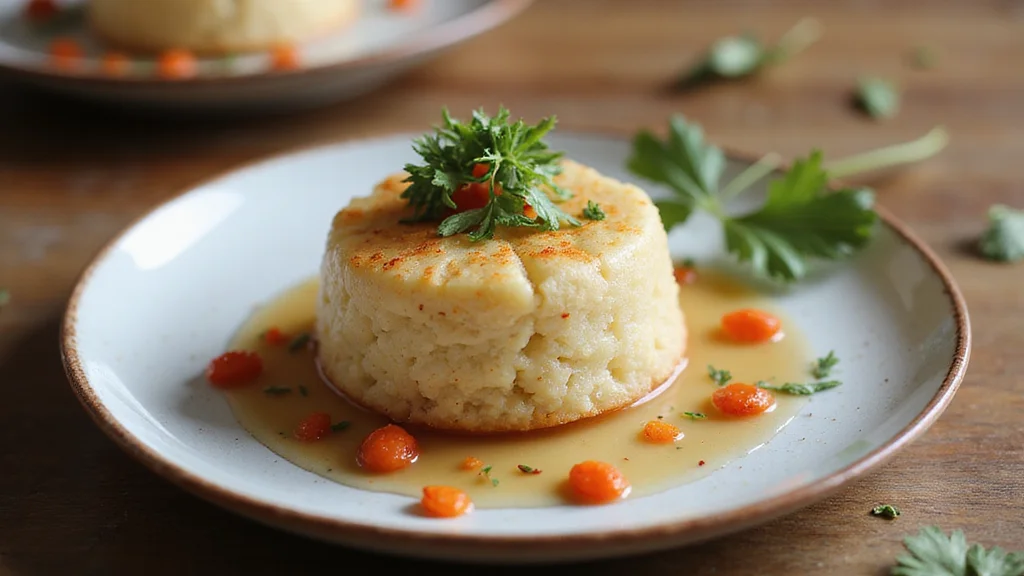
The rich and savory Bánh Chưng is a quintessential dish deeply rooted in Vietnamese culture, especially during the Lunar New Year.
I first encountered this delightful sticky rice cake at a family gathering, where its unique flavor profile of savory pork and mung beans wrapped in sticky rice left a lasting impression.
Each bite offers a comforting blend of textures and flavors, making it a beloved tradition in many Vietnamese households.
This recipe captures the essence of this time-honored dish, combining straightforward techniques with authentic ingredients to deliver a taste of Vietnam.
Whether you’re celebrating Tết or simply exploring new culinary horizons, Bánh Chưng is a rewarding dish to master.
Join me as we delve into the step-by-step process of creating this delicious sticky rice cake.
The History and Cultural Significance
• Bánh Chưng traces its origins to the Hùng Kings era in Vietnam, where it was originally created by a prince as a symbol of gratitude and respect.
• The dish evolved over decades as regional variations incorporated local ingredients, eventually becoming the beloved version we know today.
• In Vietnamese culture, this dish traditionally appears at Lunar New Year celebrations, symbolizing unity and the earth.
• While many variations exist across different regions, the authentic version maintains its iconic square shape and banana leaf wrapping that sets it apart from imitations.
Recipe Overview
Nutritional Information (per serving)
Essential Equipment Guide
Bamboo Mat: This specific tool is important for achieving the authentic square shape. Alternatives like a sushi rolling mat can work, but look for a sturdy material that can withstand pressure.
Large Pot: Necessary for boiling the Bánh Chưng, a large pot ensures even cooking. Consider a stockpot with a heavy base to maintain consistent temperature.
Banana Leaves: Essential for wrapping the cake, these leaves impart a distinct aroma. Fresh leaves are best, but frozen can be used if fresh are unavailable.



Ingredients
For the Base
|
|
| Amount | Ingredient | Notes |
|---|---|---|
| 4 cups | glutinous rice | soaked overnight |
| 2 cups | mung beans | peeled and soaked for 2 hours |
For the Filling
| Amount | Ingredient | Notes |
|---|---|---|
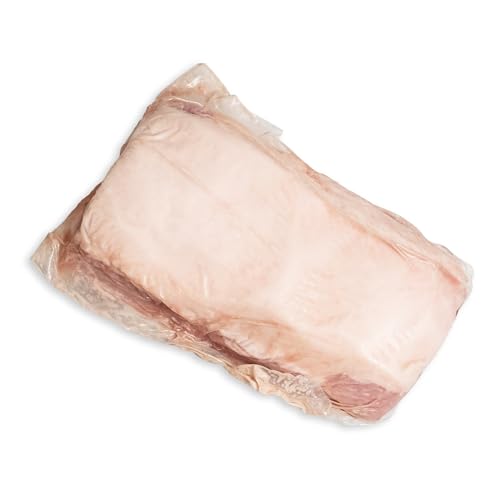
| 1 pound | pork belly | cut into small chunks |
| 1 tablespoon | fish sauce | for seasoning |
| 1 teaspoon | salt | to enhance flavor |
| 1 teaspoon | black pepper | to add heat |
Vegetables
| Amount | Ingredient | Notes |
|---|---|---|
| 10 large | banana leaves | washed and patted dry |
Seasonings
| Amount | Ingredient | Notes |
|---|---|---|
| 1 teaspoon | sugar | to balance flavors |




Preparation Methods
Soaking the Rice and Beans: Soaking the glutinous rice and mung beans overnight softens them, ensuring they cook evenly. This step is crucial for the correct texture, so ensure the water covers the ingredients completely.
Marinating the Pork: Marinating the pork belly with fish sauce, salt, and pepper infuses the meat with flavor. Let it sit for at least 30 minutes to absorb the seasonings fully.
Wrapping the Cake: Wrapping the Bánh Chưng properly in banana leaves is vital for maintaining its shape and flavor. Practice folding the leaves to create a tight, secure package.


Step 1: Prepare Ingredients
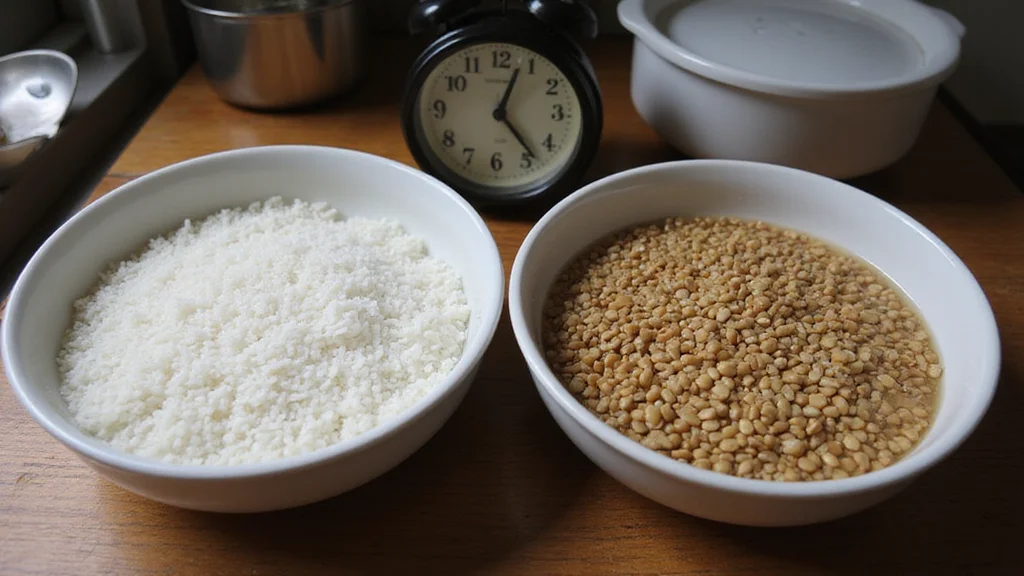
Begin by soaking 4 cups of glutinous rice and 2 cups of mung beans in separate bowls with enough water to cover overnight.
This step is essential for softening the rice and beans, allowing them to cook evenly.
Ensure the water remains above the rice and beans throughout soaking.
The next day, drain them and set aside for assembly.


Step 2: Marinate the Pork
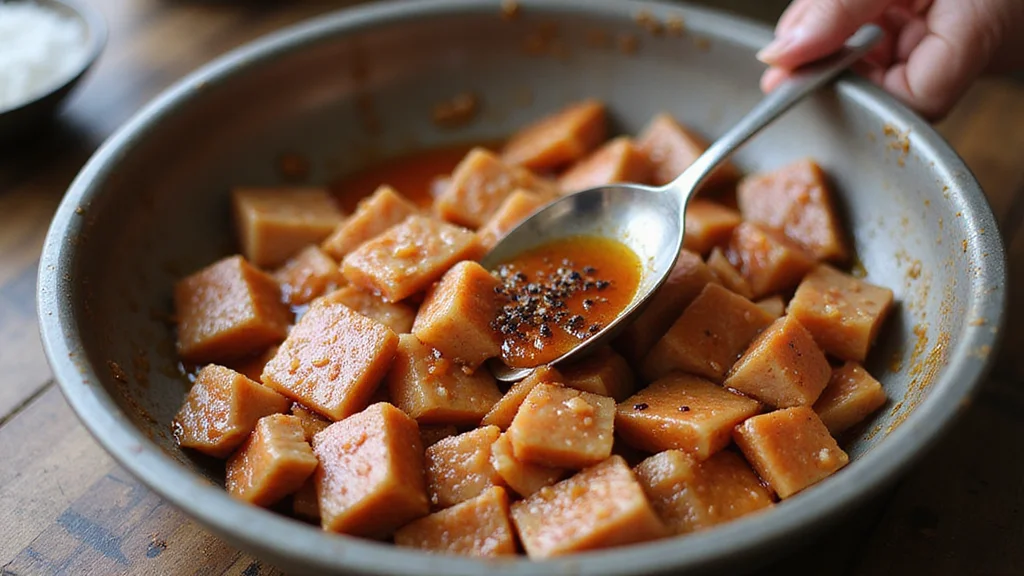
Cut 1 pound of pork belly into small chunks and place in a bowl.
Add 1 tablespoon of fish sauce, 1 teaspoon of salt, and 1 teaspoon of black pepper.
Mix well, ensuring the pork is evenly coated with the marinade.
Let it sit for at least 30 minutes to absorb the flavors.





Step 3: Prepare Banana Leaves
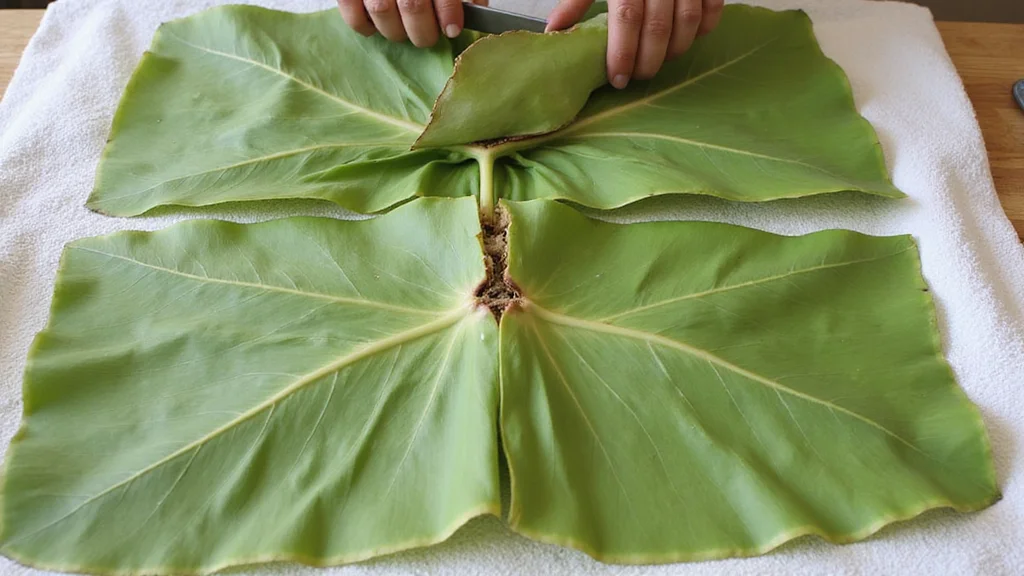
Wash 10 large banana leaves under running water to remove any dirt.
Pat them dry with a clean towel, ensuring no moisture remains.
Cut the leaves into square pieces, approximately 12 inches by 12 inches.
Carefully remove the central stem for flexibility during wrapping.



Step 4: Assemble the Cake
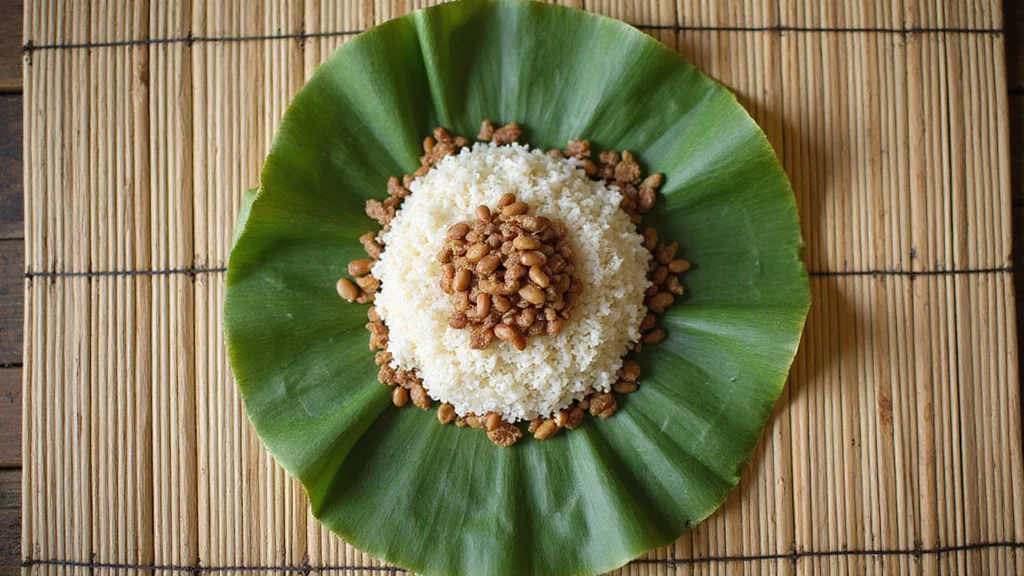
Lay two banana leaves on a bamboo mat in a cross shape.
Place 1 cup of soaked glutinous rice in the center, spreading it into a thin layer.
Add a layer of mung beans and marinated pork on top of the rice.
Cover with another cup of rice, ensuring the filling is completely encased.
Step 5: Wrap the Cake
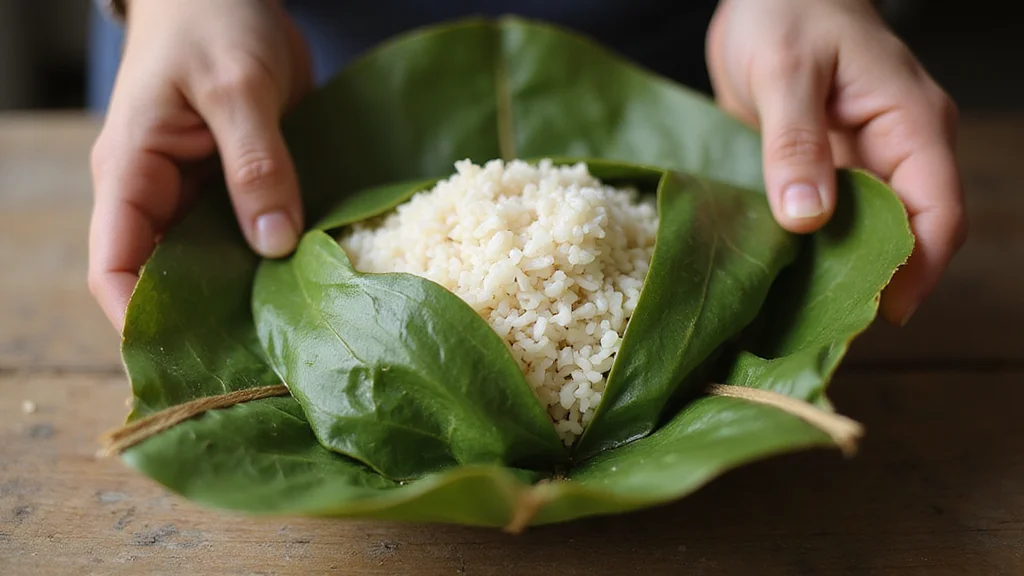
Fold the banana leaves over the rice and filling to form a square package.
Use firm but gentle pressure to ensure the cake is tightly packed.
Tie the package securely with kitchen string or twine.
Make sure the package is tight to prevent water from seeping in during cooking.
Step 6: Boil the Cake
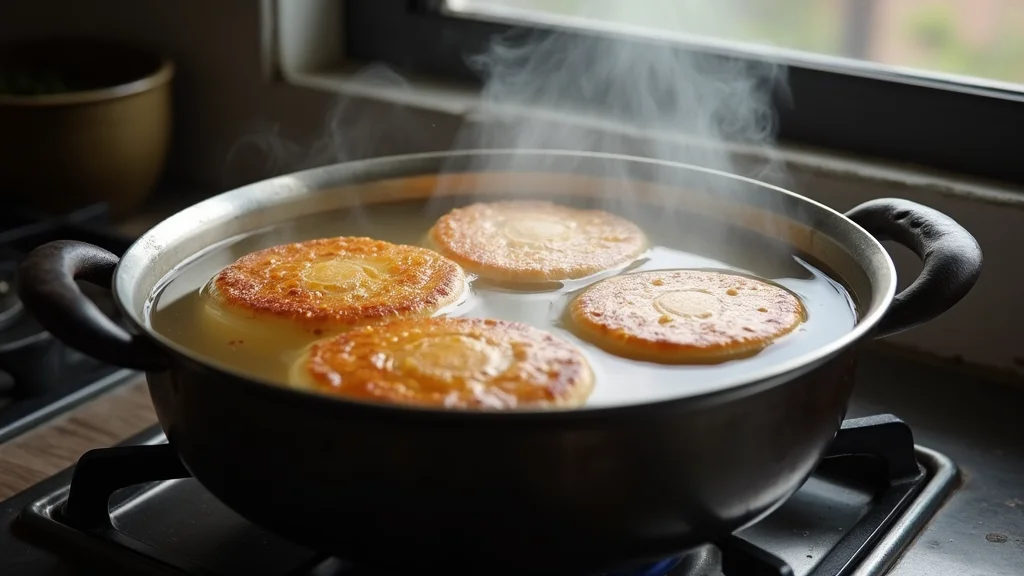
Place the wrapped Bánh Chưng in a large pot and fill with water, ensuring the cake is fully submerged.
Bring the water to a boil over high heat, then reduce to a simmer.
Boil the cake for about 4 hours, adding more water as needed to keep it submerged.
The cake is done when the rice is tender and cohesive.
Step 7: Cool and Unwrap
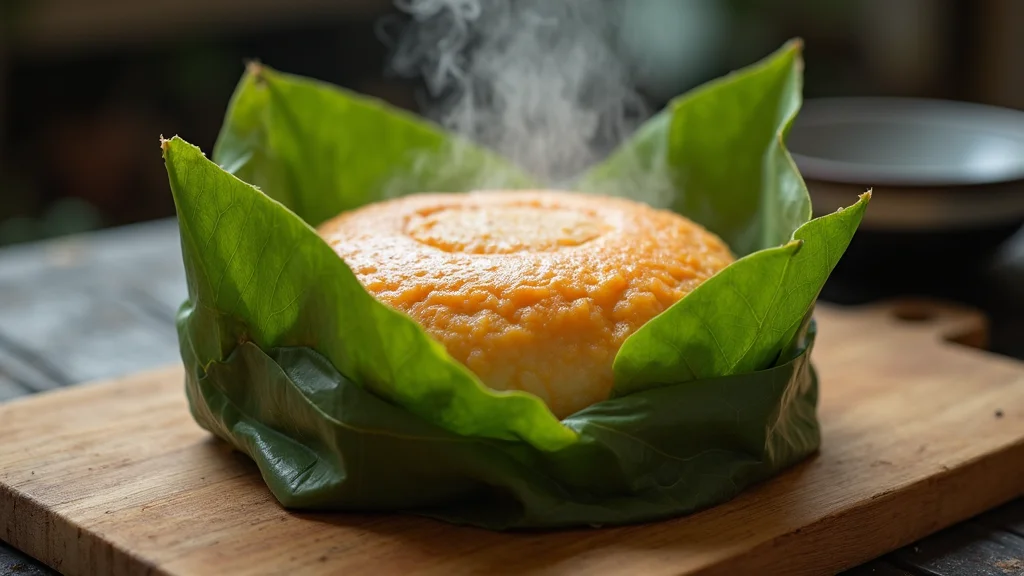
Once cooked, remove the cake from the pot using tongs.
Allow it to cool at room temperature for at least 1 hour.
Carefully unwrap the banana leaves and discard them.
Slice the cake into portions for serving.



Step 8: Serve
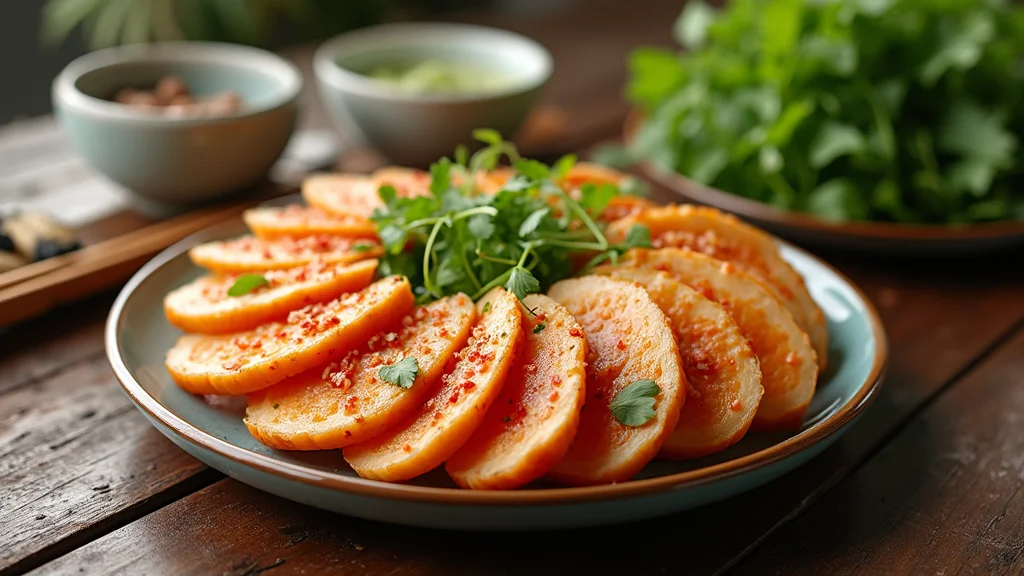
Arrange the sliced Bánh Chưng on a serving platter.
Garnish with fresh herbs if desired for added flavor and color.
Serve with pickled vegetables or soy sauce for dipping.
Enjoy the savory and satisfying flavors of this traditional dish.


Critical Timing and Temperature Guide
Soaking the Rice and Beans: Soak the rice overnight to ensure even cooking. The water should cover the rice completely, and the beans should be soaked for 2 hours.
Boiling the Cake: Boil for 4 hours, maintaining a gentle simmer. Ensure the water level stays above the cake to prevent uneven cooking.
Cooling the Cake: Allow the cake to cool for at least 1 hour before unwrapping. This helps set the texture and makes slicing easier.
Pro Tips for Bánh Chưng Recipe
• Ingredient Selection: Choose high-quality glutinous rice and fresh banana leaves for the best flavor and texture.
• Preparation Secret: Use a bamboo mat for wrapping to achieve the perfect square shape, which is often overlooked by home cooks.
• Temperature Management: Maintain a consistent simmer during boiling to ensure even cooking.
• Texture Enhancement: Soak the rice and beans thoroughly to achieve the ideal sticky yet firm texture.
• Flavor Layering: Marinate the pork overnight if possible to deepen the flavor profile of the filling.
• Make-Ahead Strategies: Prepare the components a day in advance and store them separately until assembly.
• Restaurant-Quality Finishing Touches: Garnish with fresh herbs like cilantro or mint for an added burst of flavor.
• Equipment Optimization: Use a large stockpot to boil multiple cakes at once, saving time and effort.


Troubleshooting Common Issues
• Texture Too Dense: This can occur if the rice isn't soaked long enough. Ensure to soak the rice overnight for the best results.
• Flavors Unbalanced: If the cake is too salty, reduce the amount of salt in the pork marinade. Taste the marinade before using it.
• Water Seeping In: This happens if the leaves aren't wrapped tightly. Ensure the package is secure before boiling.
• Cake Falling Apart: This can be due to improper wrapping. Use a bamboo mat to help maintain the shape during the wrapping process.
• Uneven Cooking: Ensure the cake is fully submerged in water and maintain a consistent simmer throughout cooking.
• Banana Leaves Tearing: If the leaves tear during wrapping, use an extra layer for reinforcement. Choose fresh, pliable leaves to avoid this issue.
Variations and Regional Differences
• Northern Vietnam Style: This version uses only pork and mung beans, focusing on simplicity and the natural flavors of the ingredients.
• Southern Vietnam Style: Often includes additional ingredients like salted eggs or Chinese sausage for a richer taste.
• Central Vietnam Style: Known for its spicy kick, this variation incorporates chili paste and different spices in the pork marinade.
• Vegetarian Variation: Omits pork and uses mushrooms or tofu as a filling for a lighter, plant-based option.


Food Science Behind the Recipe
• Gelatinization of Starch: The soaking and cooking process causes the starches in glutinous rice to gelatinize, creating the sticky texture characteristic of Bánh Chưng.
• Protein Denaturation: Marinating the pork denatures its proteins, allowing flavors to penetrate more deeply and enhancing the meat's tenderness.
• Aromatization: The banana leaves impart a subtle, aromatic flavor to the rice and filling as they cook, a process intensified by the heat and steam.




Frequently Asked Questions
What's the most common mistake people make when preparing Bánh Chưng? Not soaking the rice and beans long enough, leading to uneven cooking.
Can I use any other leaves besides banana leaves? Banana leaves are traditional, but lotus leaves can be used as a substitute, though they impart a different aroma.
How can I store leftover Bánh Chưng? Wrap it tightly in plastic wrap and refrigerate for up to one week. Reheat by steaming or microwaving before serving.
Is it possible to freeze Bánh Chưng? Yes, you can freeze it for up to three months. Thaw in the refrigerator before reheating.
Why does my Bánh Chưng fall apart when slicing? Ensure the cake is cooled completely before slicing, and use a sharp knife for clean cuts.
Can I make Bánh Chưng without pork? Yes, a vegetarian version can be made using mushrooms or tofu as a filling instead.
How can I tell if the cake is done cooking? The rice should be tender and cohesive, and the filling should be fully cooked. If unsure, allow additional cooking time.
Serving and Presentation Guide
• Traditional Presentation: Serve on a bamboo platter, with slices arranged in a radial pattern.
• Modern Style: Present it on an elegant, minimalist white plate to highlight the vibrant colors of the dish.
• Family Style: Place on a large communal platter, allowing guests to help themselves.
• Festive Display: Decorate with fresh herbs and edible flowers for a festive touch during celebrations.



Conclusion

Bánh Chưng is more than just a dish; it's a celebration of culture and tradition.
By following this recipe, you can bring a taste of Vietnam's rich heritage to your table.
Embrace the process, enjoy the flavors, and savor the satisfaction of creating this iconic dish.
Share it with loved ones and let it become a cherished part of your own culinary repertoire.
About The Author