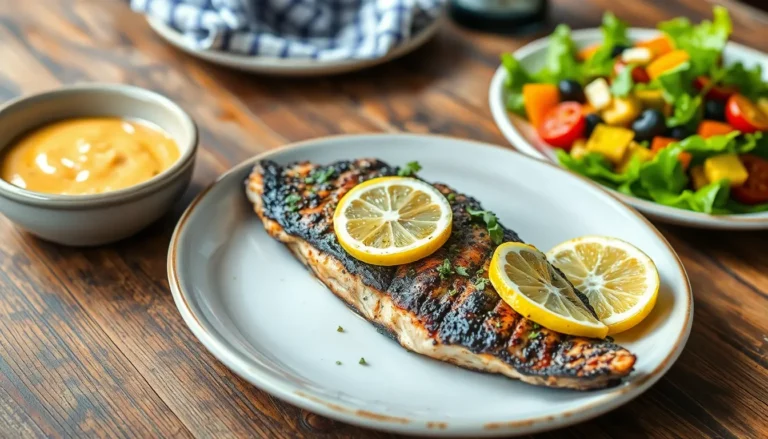
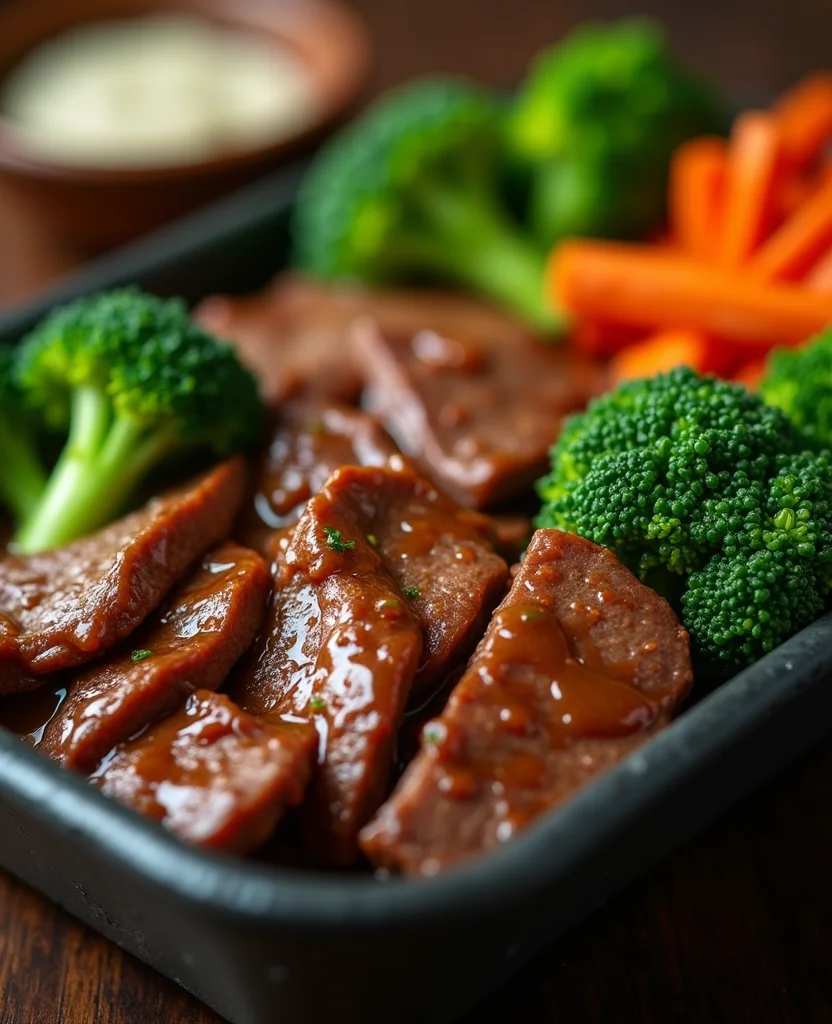
Each bite of Beef and Broccoli is a delightful blend of tender beef and crisp broccoli, all enveloped in a savory sauce.
This dish is a staple in many Asian-inspired kitchens, offering a quick and satisfying meal that’s perfect for busy days.
The balance of umami-rich beef and the bright, fresh taste of broccoli makes it both hearty and refreshing.
Whether it’s a weeknight dinner or part of your meal prep routine, this dish promises convenience without compromising on flavor.
I first encountered this version of Beef and Broccoli during a cooking class, where the chef emphasized simplicity and taste.
With this recipe, you can enjoy a freezer-ready meal that caters to your schedule while satisfying your taste buds.
The History and Cultural Significance
• Beef and Broccoli traces its origins to Chinese-American cuisine, where it was originally created by Chinese immigrants adapting traditional flavors to American palettes.
• The dish evolved over decades as the availability of ingredients changed, eventually becoming the beloved version we know today with tender beef and crisp broccoli in a savory sauce.
• In Chinese-American culture, this dish traditionally appears at family gatherings and is a staple at many Chinese restaurants, symbolizing a fusion of cultural flavors and culinary adaptation.
• While many variations exist across different regions, the authentic version maintains a balance of savory and slightly sweet flavors that sets it apart from imitations.



Recipe Overview
Nutritional Information (per serving)


Essential Equipment Guide
Wok or Large Skillet: A wok or large skillet is essential for achieving the high heat needed to quickly sear the beef and cook the broccoli, which helps in retaining their texture and flavor. Alternatives include a cast-iron skillet. Look for a wok with a flat bottom if using on a flat cooktop.
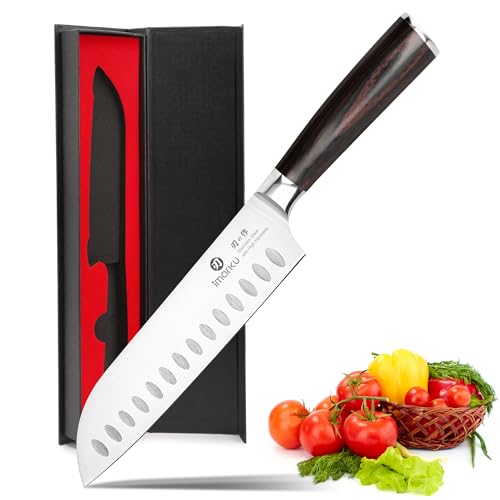
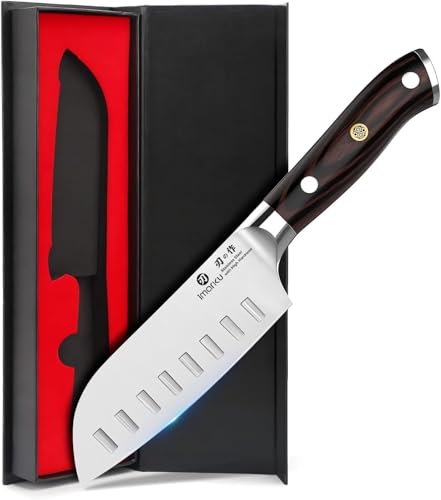
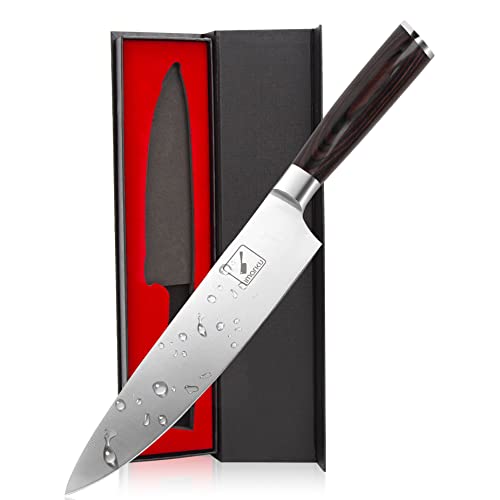
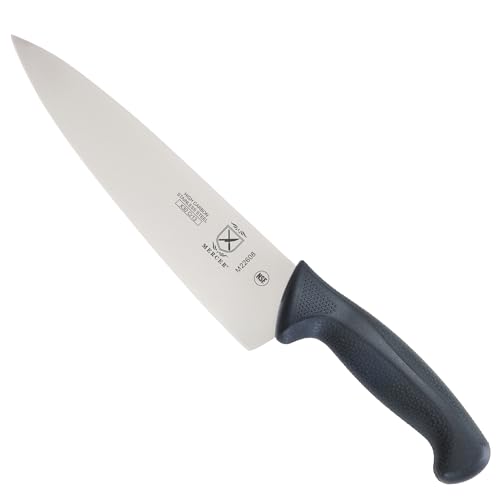
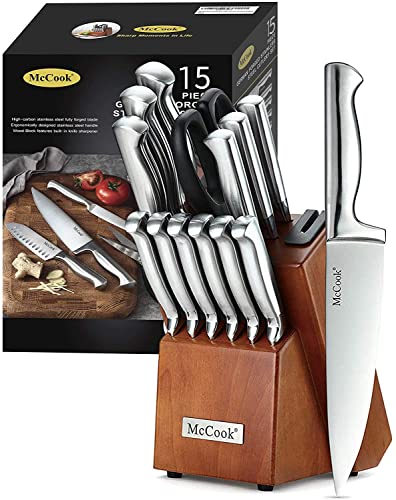
Sharp Knife: A sharp knife is crucial for slicing the beef thinly and evenly, which ensures even cooking and enhances the dish’s texture. Alternatives are a high-quality chef’s knife or slicing knife. Ensure the knife is well-maintained and sharpened regularly.
Mixing Bowls: Mixing bowls are needed for marinating the beef and mixing the sauce. Stainless steel or glass bowls are ideal as they don’t retain odors and are easy to clean. Having multiple sizes can be helpful for organizing ingredients.



Ingredients
For the Beef
|
|
| Amount | Ingredient | Notes |
|---|---|---|
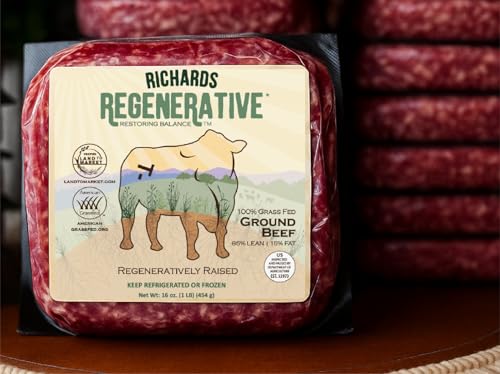
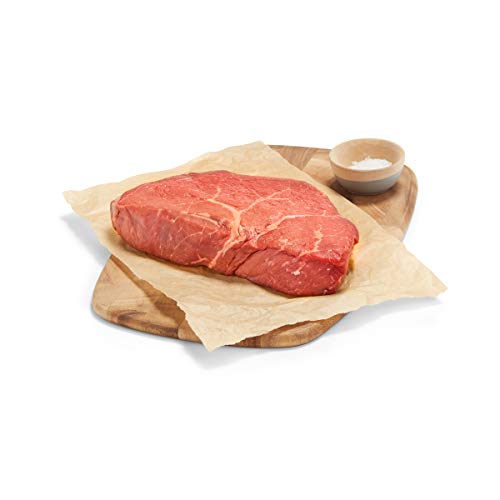
| 1 pound | flank steak | sliced thinly against the grain |
| 2 tablespoons | soy sauce | for marinating and flavor |
| 1 tablespoon | cornstarch | for tenderizing the beef |
For the Sauce
| Amount | Ingredient | Notes |
|---|---|---|
| 1/4 cup | soy sauce | base of the sauce |
| 2 tablespoons | oyster sauce | adds depth and umami |
| 2 tablespoons | brown sugar | balances the savory flavors |
| 1 tablespoon | rice vinegar | adds acidity |
| 1 teaspoon | sesame oil | for nutty aroma |
| 1 tablespoon | cornstarch | thickening agent |
| 1/2 cup | water | to adjust sauce consistency |
Vegetables
| Amount | Ingredient | Notes |
|---|---|---|
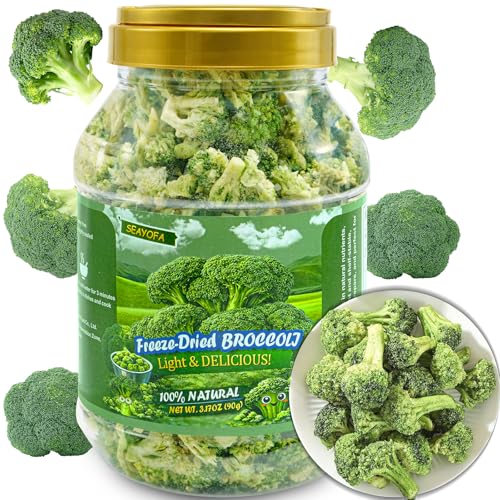
| 4 cups | broccoli florets | fresh, adds crunch and color |
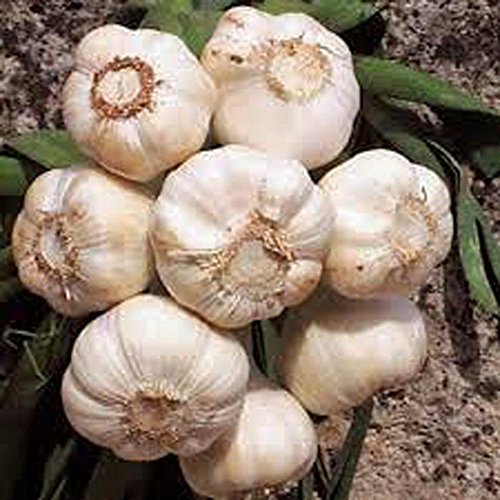
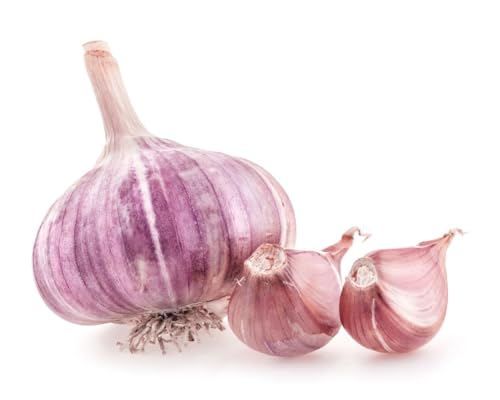
| 3 cloves | garlic | minced, for aromatics |
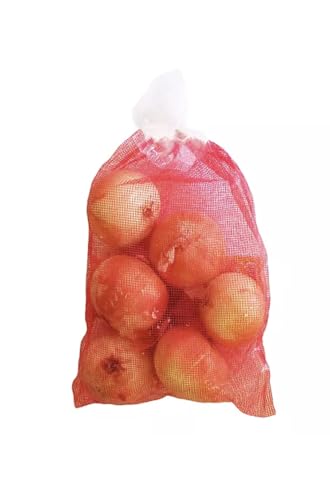
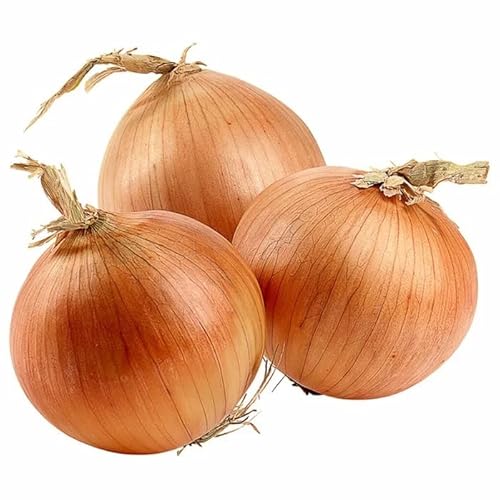
| 1 medium | onion | sliced, adds sweetness |
Seasonings
| Amount | Ingredient | Notes |
|---|---|---|
| 1 teaspoon | ginger | minced, for warmth and depth |
| 1 teaspoon | black pepper | for slight heat |


Preparation Methods
Velveting: Velveting involves marinating the beef in a mixture of cornstarch and soy sauce, which creates a barrier that protects the meat from intense heat, resulting in a tender and silky texture. This technique is crucial for achieving restaurant-quality beef.
Stir-Frying: Stir-frying is a quick cooking method using high heat and constant stirring, which helps to preserve the color and crunch of vegetables while ensuring the beef is cooked evenly. Mastery of this technique involves managing heat and timing to avoid overcooking ingredients.
Sauce Thickening: This involves mixing cornstarch with water before adding it to the sauce, which prevents clumping and ensures a smooth, glossy finish. It's important to continuously stir the sauce once the thickening agent is added to achieve the desired consistency.


Step 1: Prepare Ingredients
Gather all ingredients and equipment needed for the recipe.
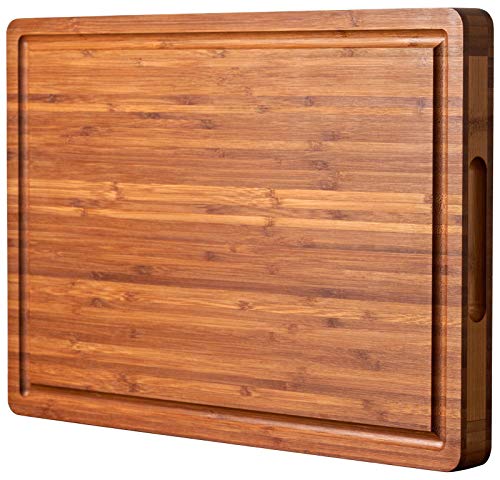
Slice the flank steak thinly against the grain to ensure tenderness.
Cut the broccoli into bite-sized florets and set aside.
Prepare the sauce ingredients by mixing them in a bowl.


Step 2: Marinate the Beef
In a mixing bowl, combine the sliced beef with soy sauce and cornstarch.
Let the beef marinate for at least 15 minutes to absorb flavors.
The cornstarch will coat the beef, creating a velvety texture once cooked.
Ensure all pieces are evenly coated for consistent results.


Step 3: Prepare the Sauce
In a separate bowl, whisk together soy sauce, oyster sauce, brown sugar, rice vinegar, sesame oil, and water.
Add cornstarch to the mixture and stir until fully dissolved.
This mixture will thicken as it heats, creating a rich sauce.
Set aside the sauce for use later in the cooking process.



Step 4: Heat the Wok
Place a wok or large skillet over high heat until it begins to smoke slightly.
Add oil to the hot wok, swirling to coat the surface evenly.
This high heat will ensure the beef sears quickly, locking in juices.
Ensure the oil is shimmering before adding ingredients.


Step 5: Stir-Fry the Beef
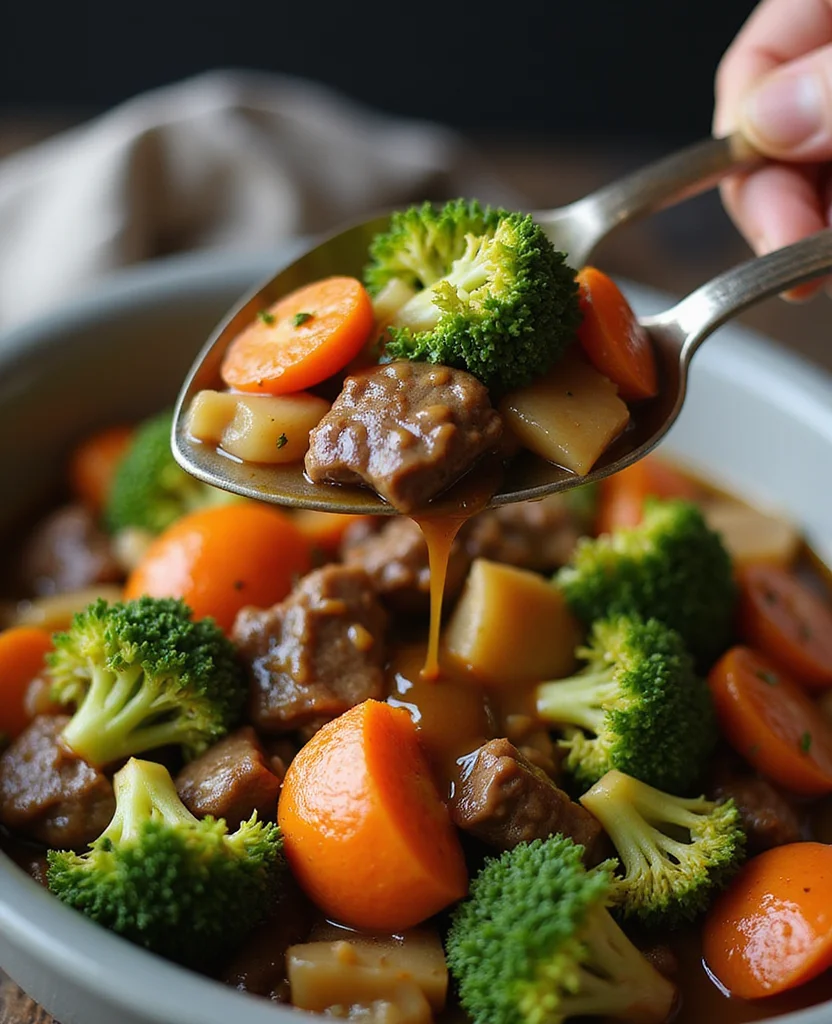
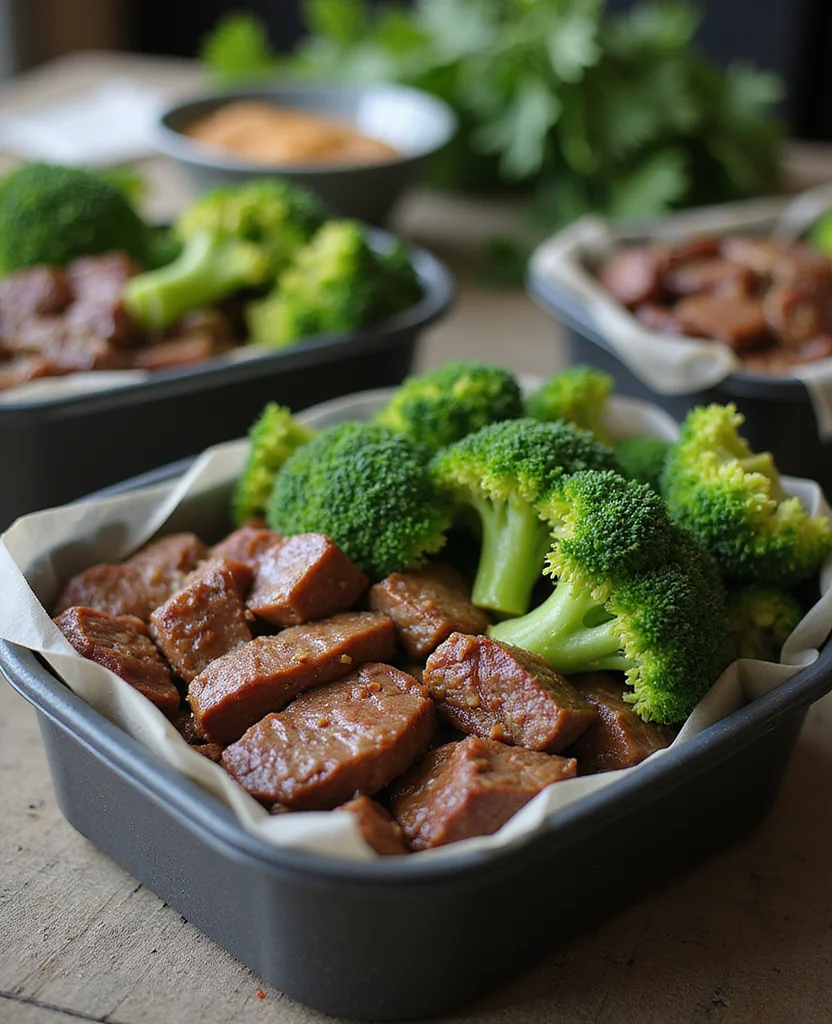
Add the marinated beef to the hot wok in a single layer.
Stir-fry for 2-3 minutes until the beef is browned and just cooked through.
Remove the beef from the wok and set aside to prevent overcooking.
The beef should remain tender and slightly pink in the center.
Step 6: Cook the Vegetables

Add a bit more oil to the wok if needed.
Stir-fry the garlic, ginger, and onion until fragrant, about 30 seconds.
Add the broccoli florets and stir-fry for 3-4 minutes until they are bright green and tender-crisp.
Ensure the broccoli retains its vibrant color and crunch.




Step 7: Combine Beef and Sauce
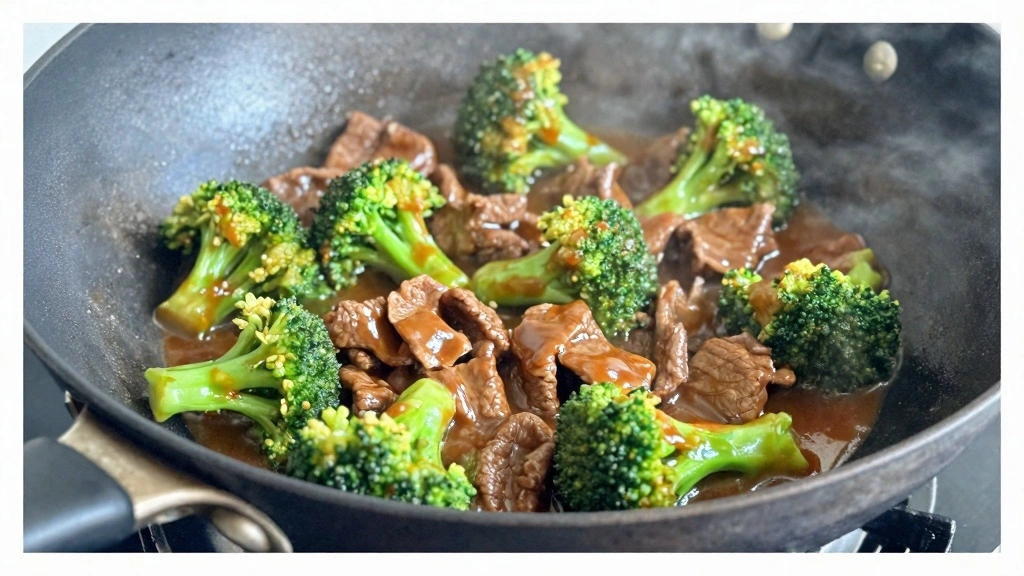
Return the cooked beef to the wok with the vegetables.
Pour the prepared sauce over the beef and vegetables.
Stir continuously to coat all ingredients evenly with the sauce.
Cook for an additional 1-2 minutes until the sauce thickens and glazes the ingredients.




Step 8: Portion and Freeze
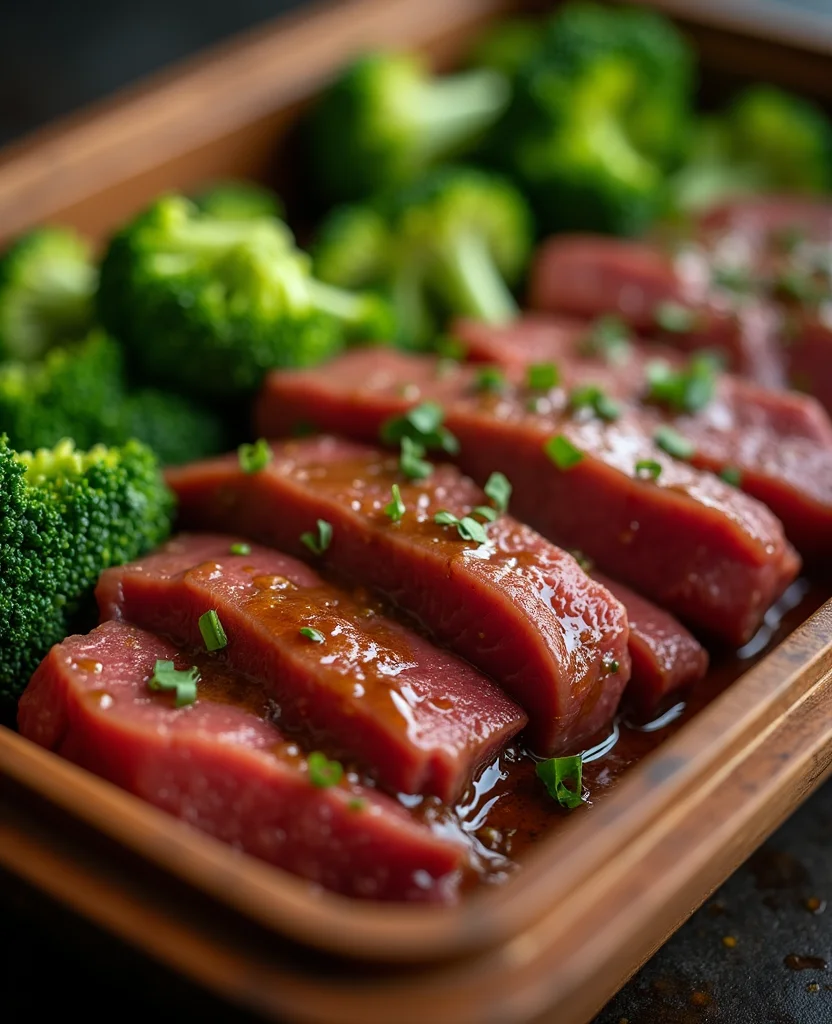
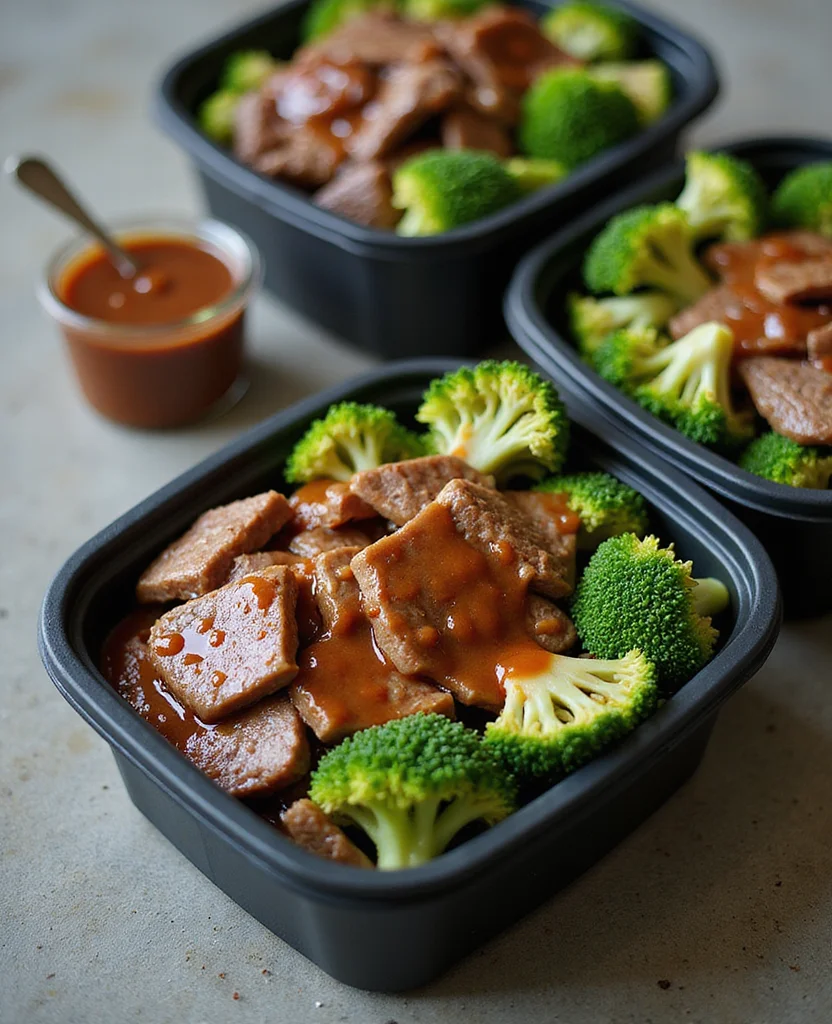
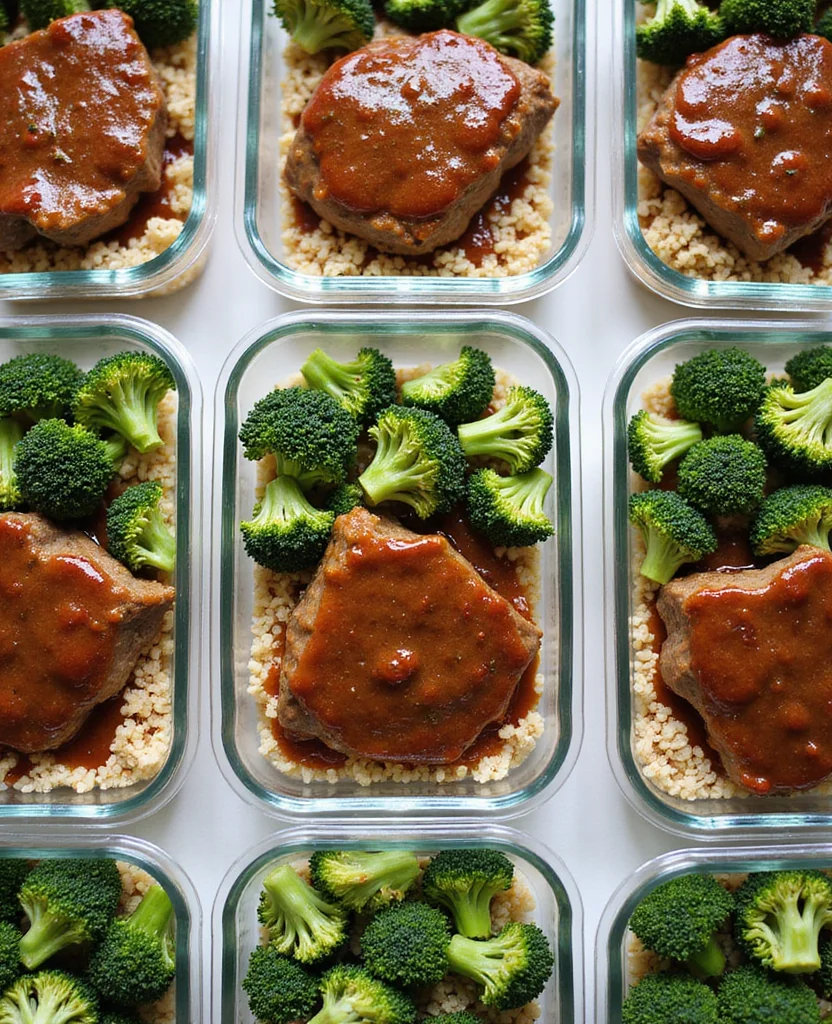
Divide the Beef and Broccoli into five equal portions.
Place each portion in a freezer-safe container, sealing tightly to preserve freshness.
Label each container with the date for easy tracking.
Store in the freezer for up to one month for meal prep convenience.
Critical Timing and Temperature Guide
Marinating Beef: Marinate the beef for at least 15 minutes, but no longer than 30 minutes to avoid mushy texture. Ensure the beef is evenly coated with marinade.
Stir-Frying: Use high heat to quickly sear the beef and vegetables, which should be cooked separately to prevent overloading the wok. Look for a slight char on the beef and bright green broccoli.
Sauce Thickening: Add the sauce mixture to the wok and stir constantly for 1-2 minutes until it thickens. Avoid leaving it unattended as it can burn quickly.
Pro Tips for Beef and Broccoli
• Ingredient Selection: Choose fresh, bright green broccoli and high-quality flank steak for the best flavor and texture.
• Preparation Secret: Freeze the beef slightly before slicing to make it easier to cut thinly and evenly.
• Temperature Management: Ensure your wok or skillet is smoking hot before adding ingredients to achieve a proper sear.
• Texture Enhancement: Velvet the beef with a cornstarch marinade to ensure a silky, tender result.
• Flavor Layering: Build flavor by adding ginger and garlic to the hot oil before other ingredients, infusing the dish with aromatic depth.
• Make-Ahead Strategies: Marinate the beef and prepare the sauce up to a day ahead, storing them separately in the refrigerator.
• Restaurant-Quality Finishing Touches: Garnish with sesame seeds or sliced green onions for added texture and visual appeal.
• Equipment Optimization: Use a flat-bottomed wok for better heat distribution on flat stovetops.


Troubleshooting Common Issues
• Beef Too Tough: This can be caused by overcooking or not slicing against the grain. Ensure thin, even slices and quick searing at high heat.
• Sauce Too Thin: May occur if the cornstarch is not fully dissolved. Stir thoroughly before adding to the wok and cook until thickened.
• Vegetables Overcooked: Stir-fry the broccoli separately until just tender and vibrant, avoiding overcooking which dulls color and flavor.
• Flavors Unbalanced: Adjust soy sauce and sugar in the sauce to balance savory and sweet notes according to personal preference.
• Dish Too Salty: Reduce soy sauce or use low-sodium alternatives to control salt levels.
Variations and Regional Differences
• Szechuan Style: This version includes Szechuan peppercorns and dried chili for a spicier, more aromatic flavor profile.
• Western Adaptation: Uses additional vegetables like bell peppers and carrots, often with a sweeter sauce to appeal to Western tastes.
• Vegetarian Option: Substitute beef with firm tofu or seitan, maintaining the same cooking method for a plant-based alternative.
• Korean Twist: Incorporates gochujang and sesame seeds for a spicy, nutty variation with Korean influences.


Food Science Behind the Recipe
• Maillard Reaction: This browning reaction occurs when the beef is seared, creating complex flavors and appealing aromas.
• Emulsification: The cornstarch in the sauce acts as an emulsifier, helping to mix ingredients that naturally separate, ensuring a smooth sauce.
• Cellulose Breakdown: High heat cooking breaks down cellulose in broccoli, making it tender while retaining nutrients and vibrant color.




Frequently Asked Questions
What's the most common mistake people make when preparing Beef and Broccoli? Overcooking the beef often results in a tough texture—ensure quick, high-heat cooking for tender results.
Can I use frozen broccoli? Yes, but it may release more moisture; cook it separately to maintain texture and color.
How can I make this dish gluten-free? Use tamari or a gluten-free soy sauce alternative to accommodate dietary restrictions.
Is it necessary to use a wok? While traditional, a large skillet can substitute if a wok is unavailable, though it may affect heat distribution.
Why is my sauce too runny? Ensure cornstarch is fully incorporated and the sauce is cooked long enough to thicken.
How do I store leftovers? Store in an airtight container in the refrigerator for up to 3 days or freeze for up to a month.
Can I add other vegetables? Yes, try adding bell peppers, snow peas, or mushrooms for variety in flavor and texture.
What's the best way to reheat this dish? Reheat in a skillet over medium heat, adding a splash of water to refresh the sauce consistency.
Serving and Presentation Guide
• Traditional Presentation: Serve Beef and Broccoli over steamed white or brown rice, garnished with sesame seeds and sliced green onions.
• Family-Style Serving: Present in a large bowl for sharing, with extra sauce on the side for individual preference.
• Modern Plating: Arrange in a wide, shallow bowl with a side of pickled vegetables for a contemporary twist.
• Individual Portions: Use bento-style containers for meal prep, ensuring even distribution of beef, broccoli, and rice.


Conclusion
This Beef and Broccoli recipe brings the deliciousness of a classic dish to your kitchen with ease.
With its blend of savory flavors and convenient preparation, it's perfect for any meal-planning routine.
Give this recipe a try and enjoy a week of flavorful, satisfying meals straight from your freezer.
About The Author