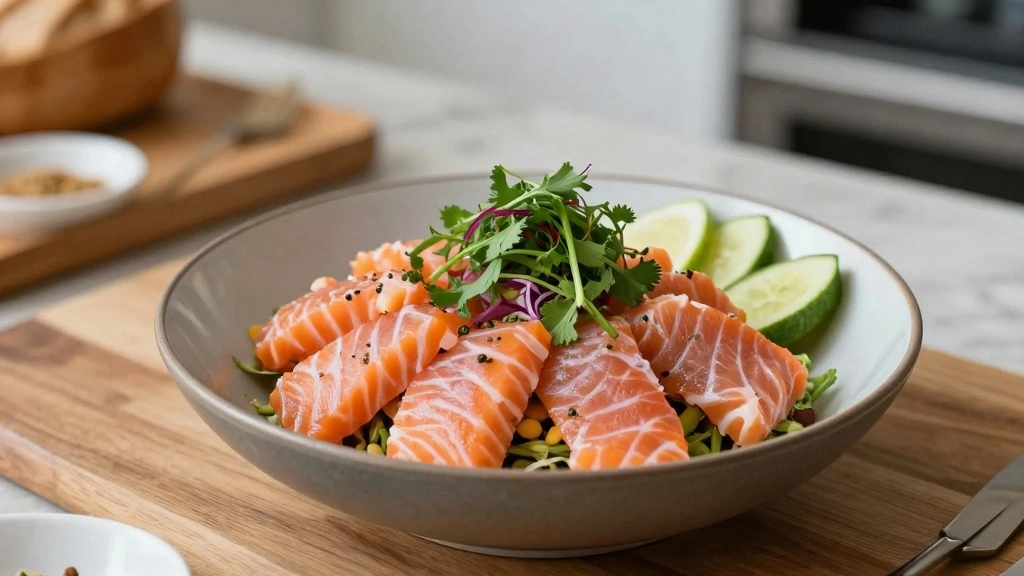
The Fresh Salmon Poke Bowl offers a vibrant and refreshing taste that captures the essence of Hawaiian cuisine.
Its combination of fresh ingredients and balanced flavors creates a symphony of taste and texture that delights the senses.
I first encountered this dish on the sunlit shores of Hawaii, where the ocean’s bounty meets culinary artistry.
This poke bowl is perfect for summer gatherings or any occasion where you wish to bring the taste of the tropics to your table.
Effortlessly elegant, it requires minimal preparation while delivering maximum flavor and visual appeal.
The History and Cultural Significance
• Fresh Salmon Poke traces its origins to Hawaii, where it was originally created by native Hawaiian fishermen.
• The dish evolved over decades as Japanese immigrants introduced soy sauce and sesame oil, enhancing its flavor profile.
• In Hawaiian culture, this dish traditionally appears at family gatherings and luaus, symbolizing unity and the sharing of nature’s bounty.
• While many variations exist across different regions, the authentic version maintains the use of fresh, raw fish and a simple marinade that sets it apart from imitations.


Recipe Overview
Nutritional Information (per serving)




Essential Equipment Guide
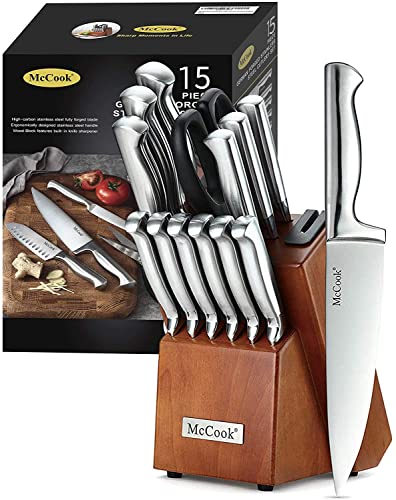
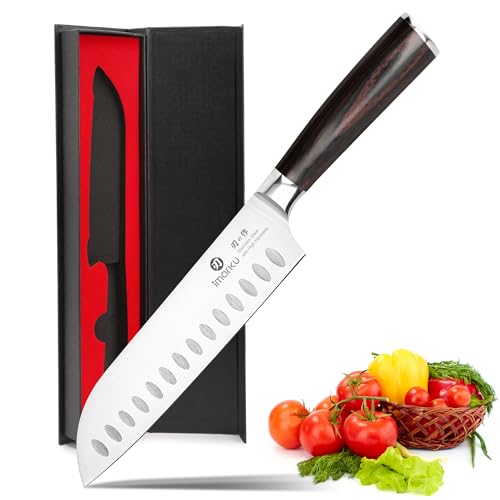
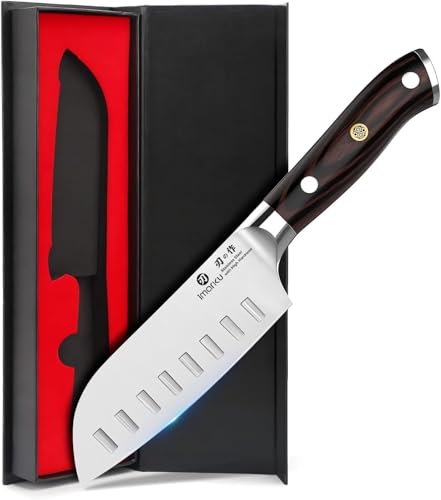
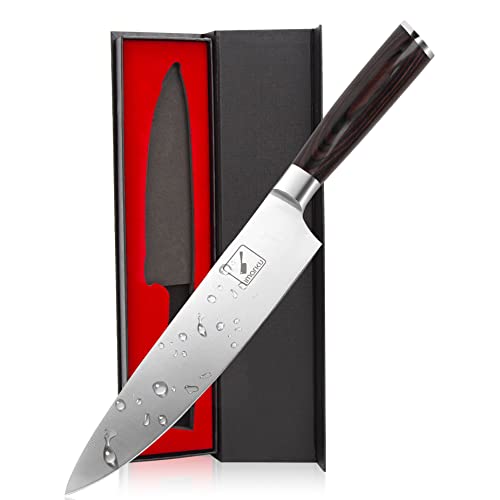
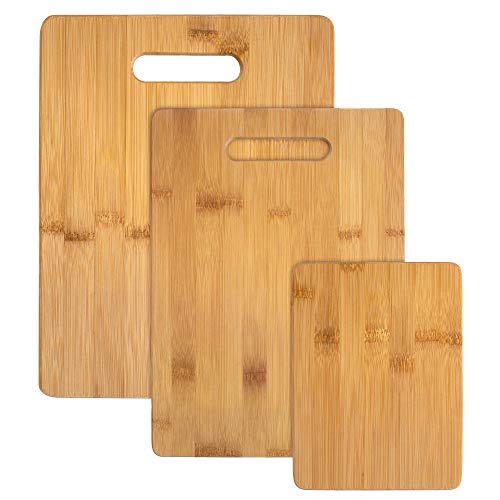
Chef’s Knife: A sharp chef’s knife is crucial for cleanly slicing the salmon and vegetables, ensuring a precise and appealing presentation. Alternatives like a santoku knife can work, but look for a blade that maintains sharpness.
Mixing Bowls: Use mixing bowls to evenly combine the marinade and ingredients without making a mess. Glass or stainless steel bowls are best for non-reactive mixing.
Rice Cooker: A rice cooker ensures perfectly cooked rice, a foundational component of the poke bowl. While stovetop methods are possible, a rice cooker provides consistent results with less supervision.


Ingredients
For the Base
|
|
| Amount | Ingredient | Notes |
|---|---|---|
| 2 cups | sushi rice | cooked and cooled |
For the Sauce
| Amount | Ingredient | Notes |
|---|---|---|
| 3 tablespoons | soy sauce | adds umami flavor |
| 1 tablespoon | sesame oil | imparts nutty aroma |
Vegetables
| Amount | Ingredient | Notes |
|---|---|---|
| 1 cup | cucumber | diced for crunch |
| 1 cup | radishes | thinly sliced |
For the Salmon
| Amount | Ingredient | Notes |
|---|---|---|
| 1 pound | fresh salmon | sashimi-grade, diced into cubes |
Seasonings
| Amount | Ingredient | Notes |
|---|---|---|
| 1 tablespoon | sesame seeds | toasted for garnish |
| 1 tablespoon | green onions | chopped for freshness |




Preparation Methods
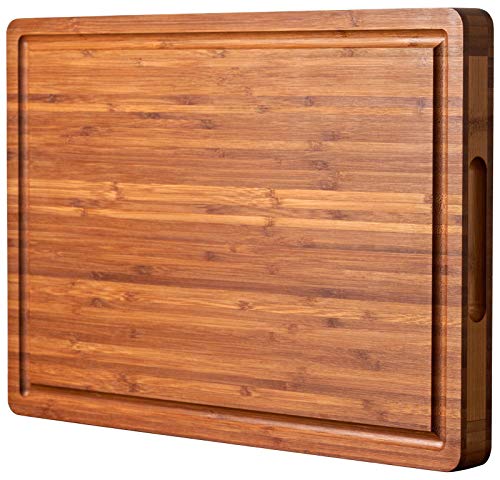
Slicing Salmon: Use a sharp knife to slice the salmon into uniform cubes, ensuring even marination and presentation. Keep the knife at a slight angle to achieve clean cuts.
Cooking Sushi Rice: Rinse and soak sushi rice to remove excess starch, then cook with precise water-to-rice ratios for perfect texture. Allow to cool before assembly.
Toasting Sesame Seeds: Gently toast sesame seeds in a dry pan over low heat until golden brown, enhancing their flavor and aroma. Watch closely to prevent burning.


Step 1: Prepare the Rice
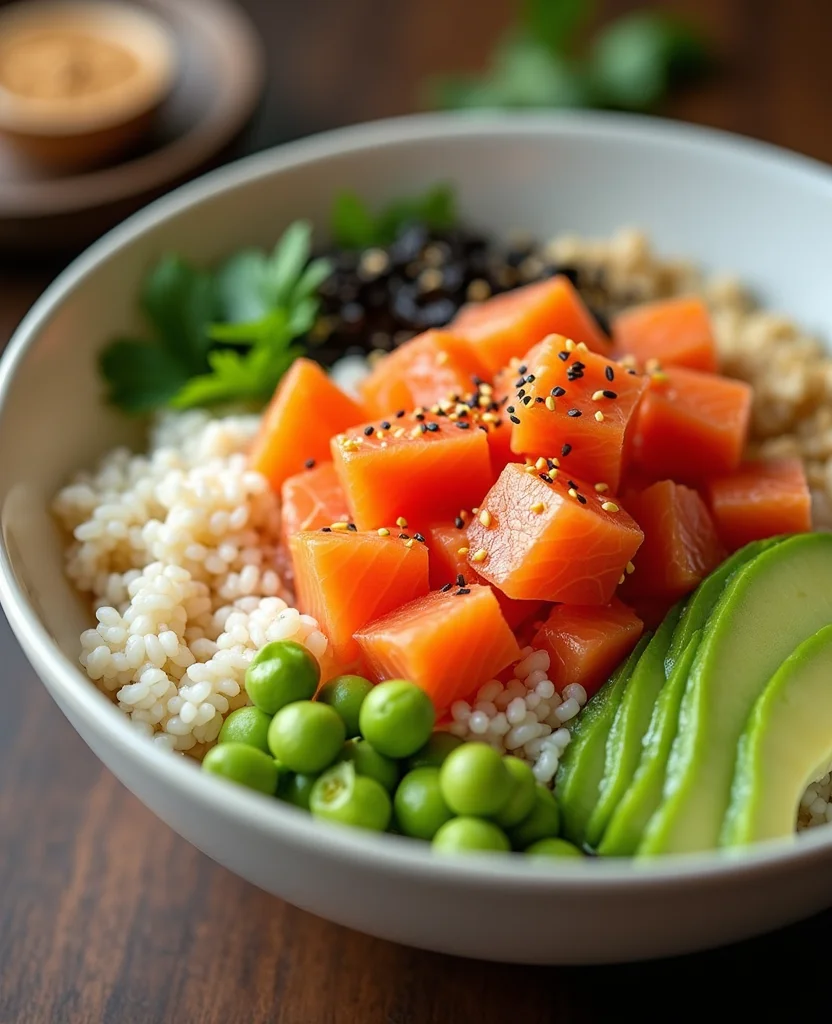
Rinse the sushi rice under cold water until the water runs clear.
Cook the rice in a rice cooker according to the manufacturer's instructions.
Once cooked, let the rice cool to room temperature.
Fluff the rice with a fork to separate the grains.


Step 2: Slice the Salmon
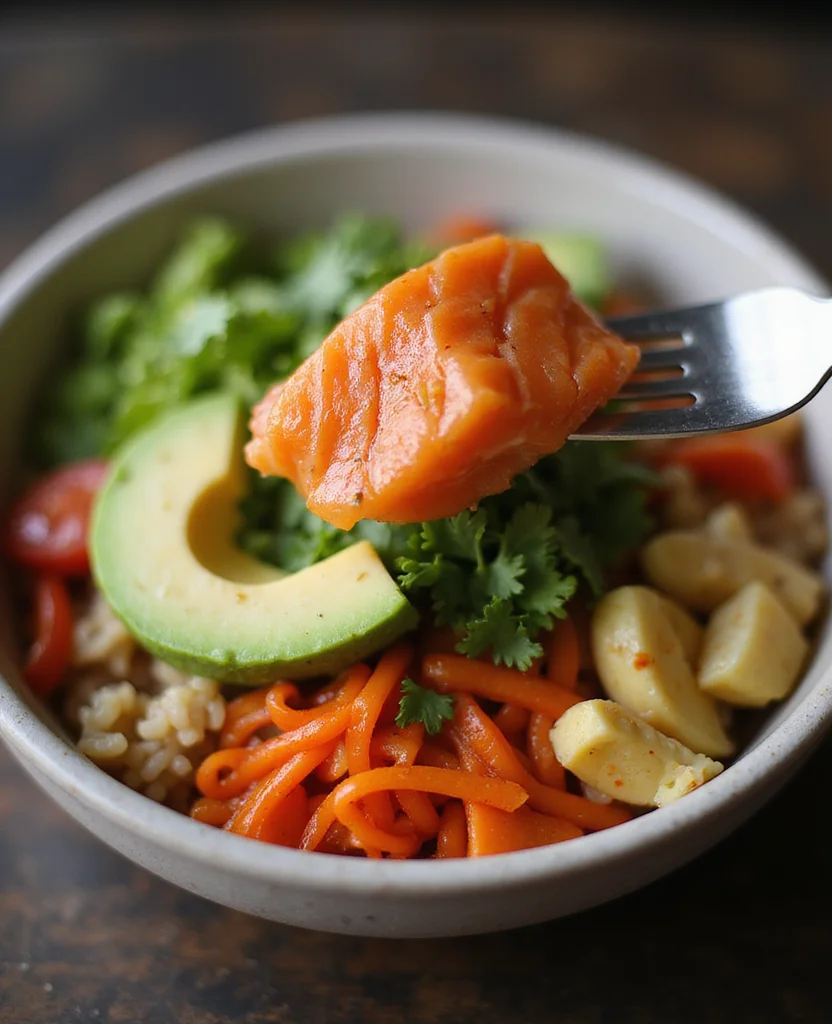
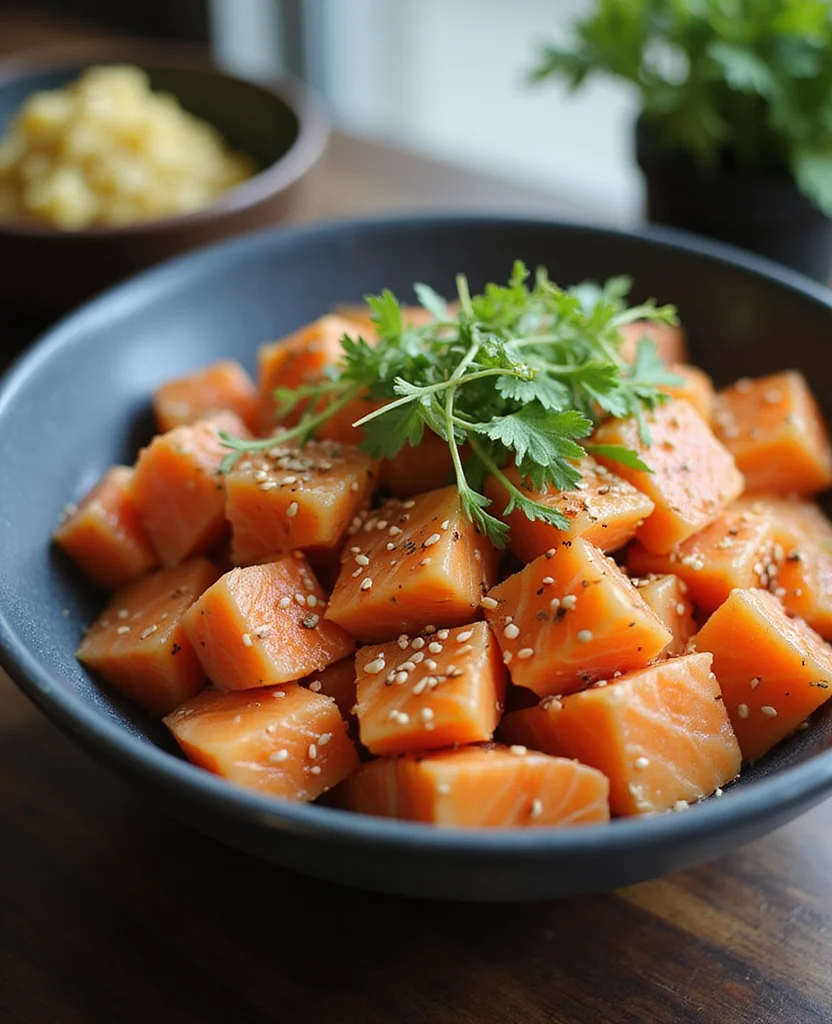
Use a sharp knife to slice the salmon into 1-inch cubes.
Ensure the salmon is sashimi-grade for safety and quality.
Keep the cuts uniform for even marination.
Place the sliced salmon in a chilled bowl to maintain freshness.



Step 3: Prepare the Vegetables
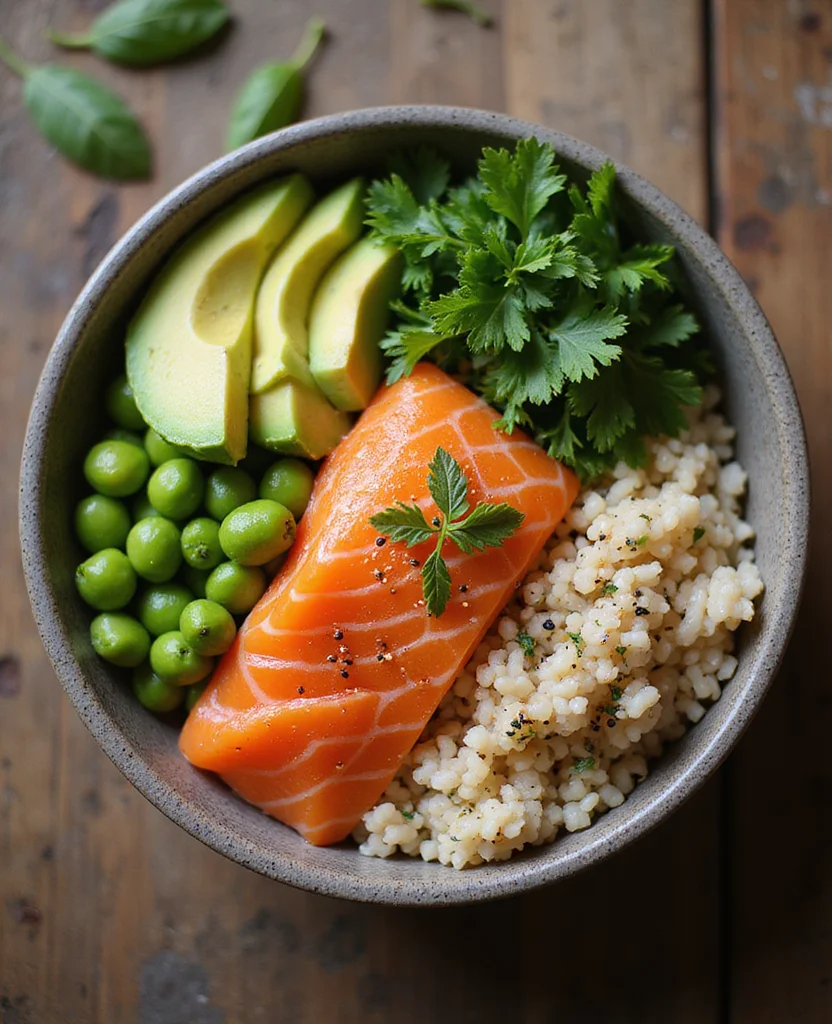
Dice the cucumber into small, bite-sized pieces.
Thinly slice the radishes using a mandoline or sharp knife.
Arrange the vegetables in separate bowls for easy assembly.
Keep vegetables chilled until ready to use.



Step 4: Make the Sauce
In a small bowl, combine soy sauce and sesame oil.
Whisk together until the mixture is well blended.
Taste the sauce and adjust seasoning if necessary.
Set the sauce aside for later use.



Step 5: Marinate the Salmon
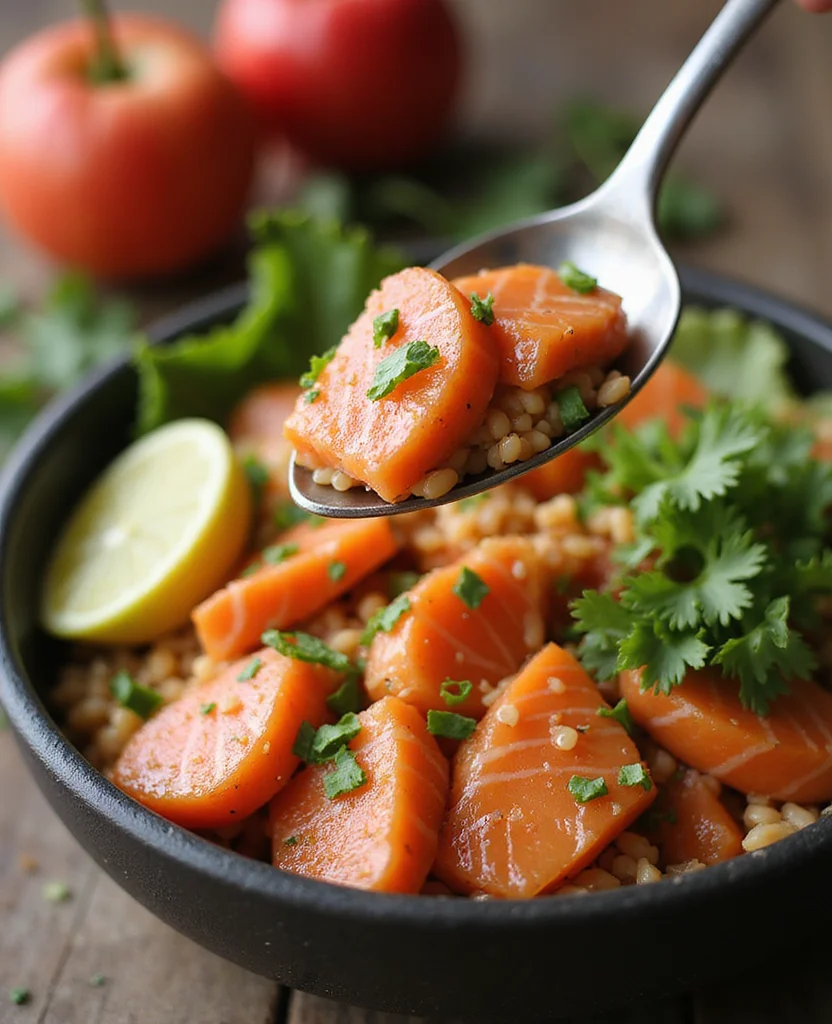
Pour the prepared sauce over the salmon cubes.
Gently toss the salmon to ensure even coating.
Let the salmon marinate in the refrigerator for 10 minutes.
Stir occasionally to enhance flavor absorption.


Step 6: Assemble the Bowl
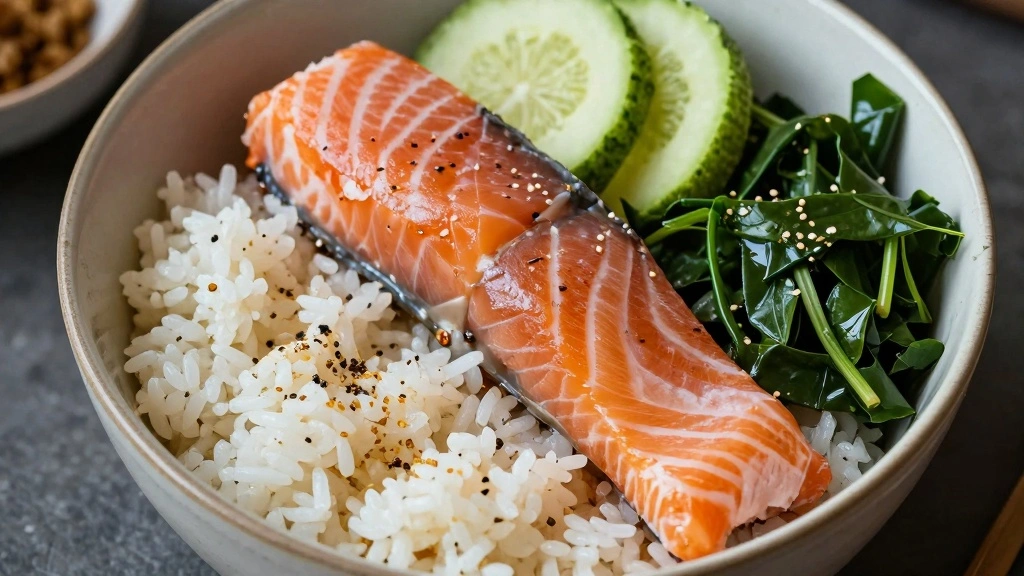
Place a scoop of cooked rice into the bottom of each serving bowl.
Arrange marinated salmon on top of the rice.
Add diced cucumber and sliced radishes around the salmon.
Ensure an even distribution for balanced flavor and texture.
Step 7: Garnish the Bowl

Sprinkle toasted sesame seeds over the assembled bowl.
Add a scattering of chopped green onions for freshness.
Consider adding additional garnishes like avocado or seaweed.
Adjust garnishes to enhance visual appeal.
Step 8: Serve Immediately
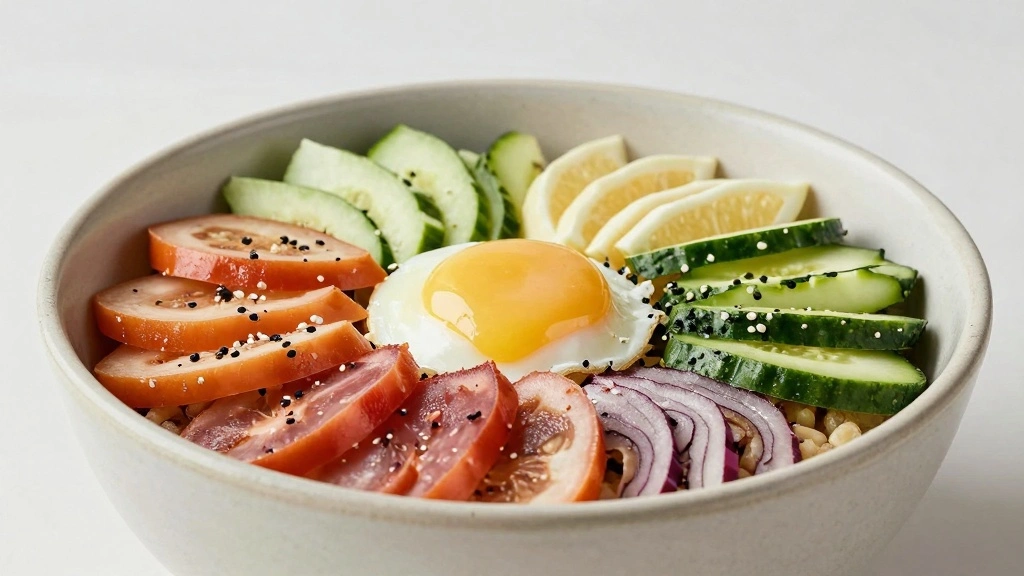
Present the poke bowl immediately for the best flavor.
Ensure each bowl has a balanced mix of ingredients.
Encourage diners to mix the bowl before eating.
Enjoy the fresh flavors and textures.
Critical Timing and Temperature Guide
Rice Cooling: Allow the rice to cool to room temperature before assembly, ensuring a non-mushy texture. Avoid refrigerating too quickly to prevent hardening.
Salmon Marination: Marinate the salmon for exactly 10 minutes to avoid overpowering the delicate fish flavor. Over-marinating can lead to a too-salty dish.
Serving Temperature: Serve the poke bowl immediately after assembly to maintain the freshness and texture of the ingredients.


Pro Tips for Fresh Salmon Poke
• Ingredient Selection: Choose sashimi-grade salmon for the highest quality and safety, ensuring vibrant color and firm texture.
• Preparation Secret: Toss the salmon gently to avoid breaking the fish, preserving its natural texture and appearance.
• Temperature Management: Keep fish and vegetables chilled until just before assembly to maintain freshness and crispness.
• Texture Enhancement: Use a mix of textures by pairing creamy avocado with crunchy vegetables for a balanced bite.
• Flavor Layering: Mix soy sauce with a hint of citrus juice for a subtle brightness that enhances the overall flavor.
• Make-Ahead Strategies: Prepare all ingredients separately up to a day in advance, storing them in airtight containers in the refrigerator.
• Restaurant-Quality Finishing Touches: Drizzle a few drops of chili oil for a spicy kick before serving.
• Equipment Optimization: Ensure knives are very sharp for clean cuts that maintain ingredient integrity.




Troubleshooting Common Issues
• Rice Too Sticky: This occurs when excess starch is left on the rice. Rinse thoroughly before cooking and use precise water ratios.
• Salty Flavor: Over-marinating the salmon can lead to overpowering saltiness. Limit marination time to 10 minutes and taste the sauce before use.
• Fish Texture Too Soft: This can result from using non-sashimi grade salmon. Ensure fish is fresh, firm, and sourced from a reputable supplier.
• Vegetables Wilted: If vegetables are not crisp, they may have been prepped too far in advance. Slice just before assembly and store in a chilled environment.
• Unbalanced Flavors: If the bowl tastes off, adjust the balance of salty, sweet, and acid elements in the sauce and taste frequently during preparation.
Variations and Regional Differences
• Japanese-Inspired Variation: Incorporates wasabi and pickled ginger for a spicy and tangy twist, using sushi rice seasoned with rice vinegar.
• Californian Style: Adds avocado and a sprinkle of furikake for a West Coast flair, often using brown rice instead of white.
• Korean Fusion: Features gochujang and kimchi for a spicy and fermented flavor profile, adding a bold twist to the traditional poke.
• Vegetarian Poke: Replaces salmon with tofu or tempeh, using a similar marinade for a plant-based alternative that retains the essence of poke.
Food Science Behind the Recipe
• Marination Chemistry: The acid in soy sauce and citrus helps denature proteins in the fish, enhancing flavor without cooking it.
• Starch Gelatinization: Properly cooked rice undergoes gelatinization, where starches absorb water and swell, creating a desirable texture.
• Emulsification: The combination of soy sauce and sesame oil creates a temporary emulsion, allowing flavors to coat the ingredients evenly.
Frequently Asked Questions
What's the most common mistake people make when preparing Fresh Salmon Poke? Over-marinating the fish, which can overpower its delicate flavor.
Can I prepare the ingredients in advance? Yes, but keep them separate and assemble just before serving for optimal freshness.
How do I ensure my salmon is safe to eat raw? Always choose sashimi-grade fish from reputable sources to minimize the risk of parasites.
What can I use as a rice alternative? Quinoa or cauliflower rice can be used for a lighter, low-carb option.
Is it okay to refrigerate leftovers? Poke bowls are best eaten fresh, but leftovers can be stored for up to 24 hours in an airtight container.
How can I add more spice? Incorporate sliced jalapeños or a drizzle of sriracha for an added kick.
What other proteins work well in poke bowls? Ahi tuna, cooked shrimp, or tofu are great alternatives to salmon.
Serving and Presentation Guide
• Traditional Presentation: Serve in a deep bowl with clearly defined layers of rice, fish, and vegetables, garnished with sesame seeds and green onions.
• Modern Plating: Use a wide, shallow bowl for a more spread-out presentation, showcasing the colors and textures of each ingredient.
• Family Style: Present ingredients in separate dishes, allowing guests to build their own poke bowls.
• Minimalist Approach: Focus on simplicity with a monochromatic garnish, such as microgreens, to highlight the natural colors of the main ingredients.


Conclusion
Creating a Fresh Salmon Poke Bowl at home is a rewarding experience that brings a taste of the tropics to your kitchen.
With its vibrant colors and fresh flavors, this dish is sure to impress both family and friends.
Embrace the art of poke making and enjoy a restaurant-quality meal in the comfort of your home.
About The Author