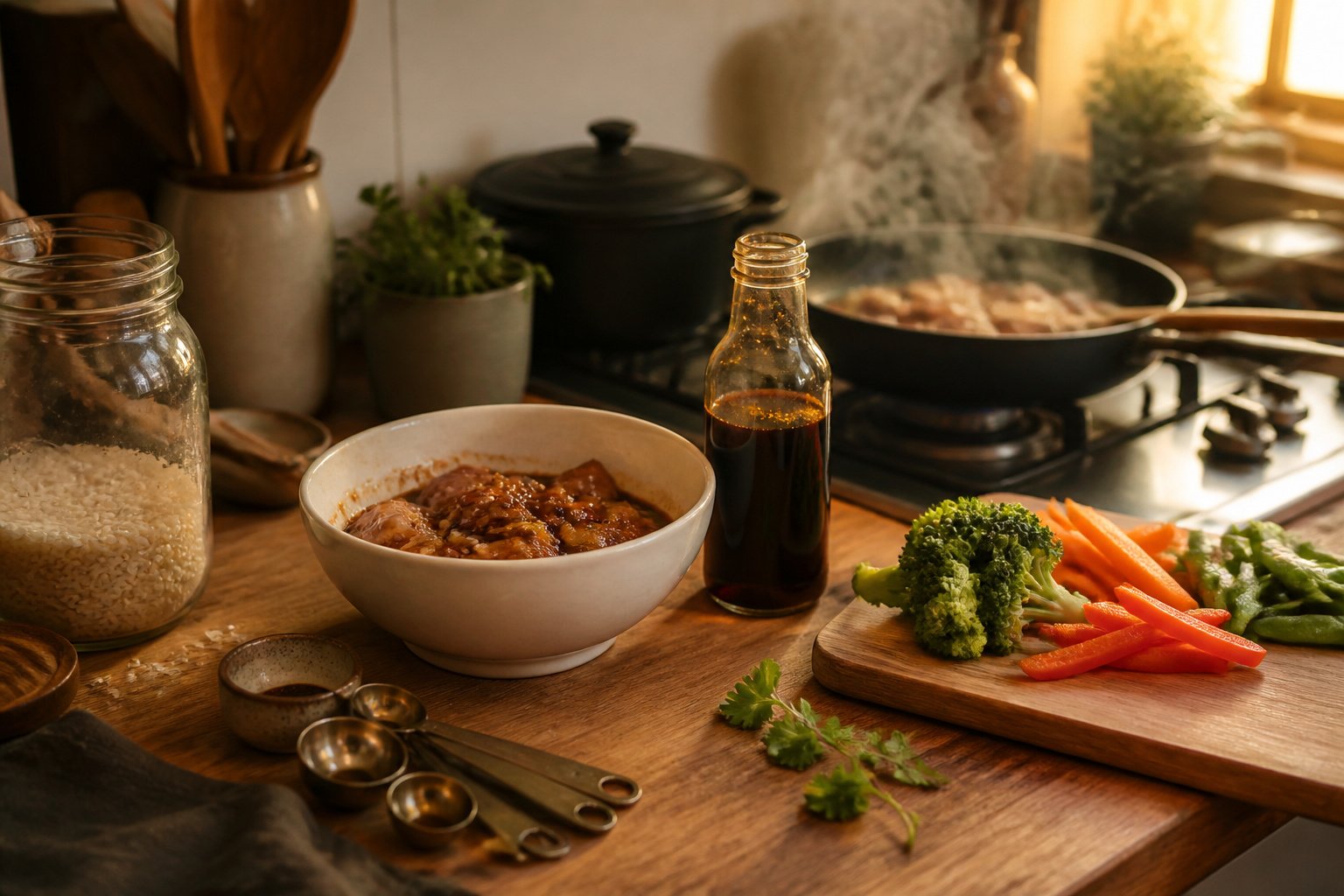
Ocean’s Halo Soy-Free Teriyaki Sauce wins this roundup for keeping sugar lower than most competitors while still coating meat properly in a marinade or pooling on a plate for dipping.
The balanced, savory-leaning profile suits weeknight bowl building and salmon glazing, though families chasing the candy-sweet glaze of mall teriyaki will likely finish the bottle unsatisfied.
That catch, and the 6 grams of sugar in Soy Vay’s stir-fry pick, are why the full list matters: one household’s perfect pour is another’s doctoring project.
My Top Picks
| Product | Award | Best for | Why it won | ||
|---|---|---|---|---|---|
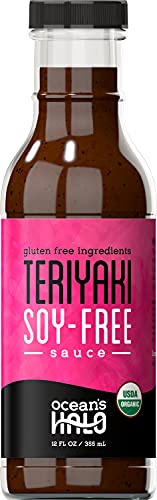 | Ocean's Halo Soy-Free Teriyaki Sauce | Best Overall | Anyone wanting clean ingredients | Balances quality ingredients, low sugar, and good flavor for everyday use | Check price |
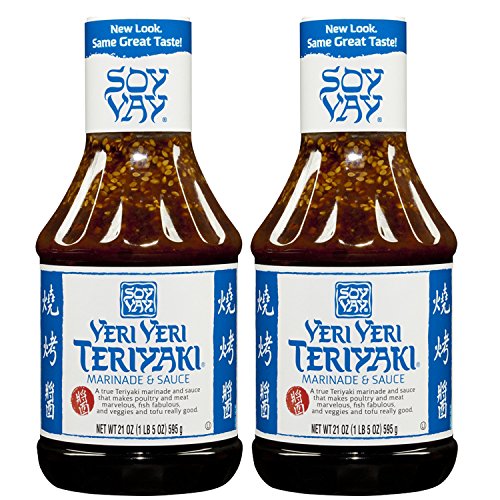 | Soy Vay Veri Veri Teriyaki | Best for Stir-Fry | Home cooks in a hurry | Versatile and flavorful, perfect for quick weeknight stir-fry meals | Check price |
 | Kikkoman Takumi Teriyaki Sauce | Best Low-Carb Option | Low-carb or keto dieters | Very low sugar content fits carb-restricted eating plans easily | Check price |
 | Panda Express Mandarin Teriyaki Sauce | Best Traditional Flavor | Fans of classic teriyaki taste | Authentic sweet and savory profile matches traditional restaurant flavor | Check price |
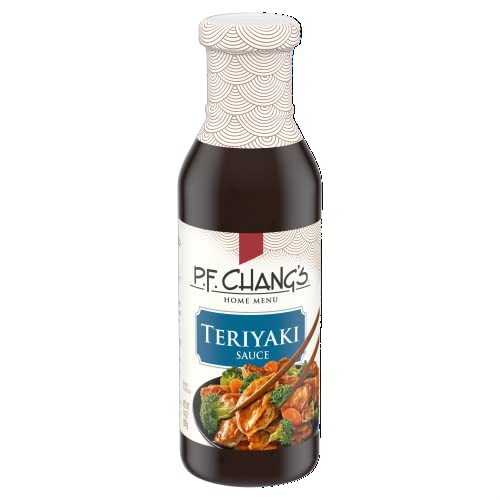 | P.F. Chang's Teriyaki Sauce | Best for Dipping | Snackers and party hosts | Well-balanced flavor works great as a dip for appetizers and finger foods | Check price |
 | San-J Gluten Free Teriyaki Sauce | Best Value | Budget-conscious shoppers | Quality ingredients without the premium price of specialty brands | Check price |
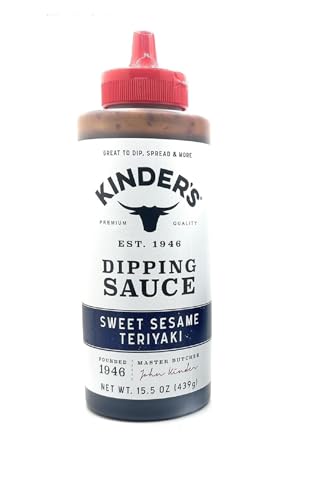 | Kinder's Teriyaki Marinade & Sauce | Best for Kids | Parents feeding picky eaters | Mild sweet and savory taste appeals to younger palates at mealtime | Check price |
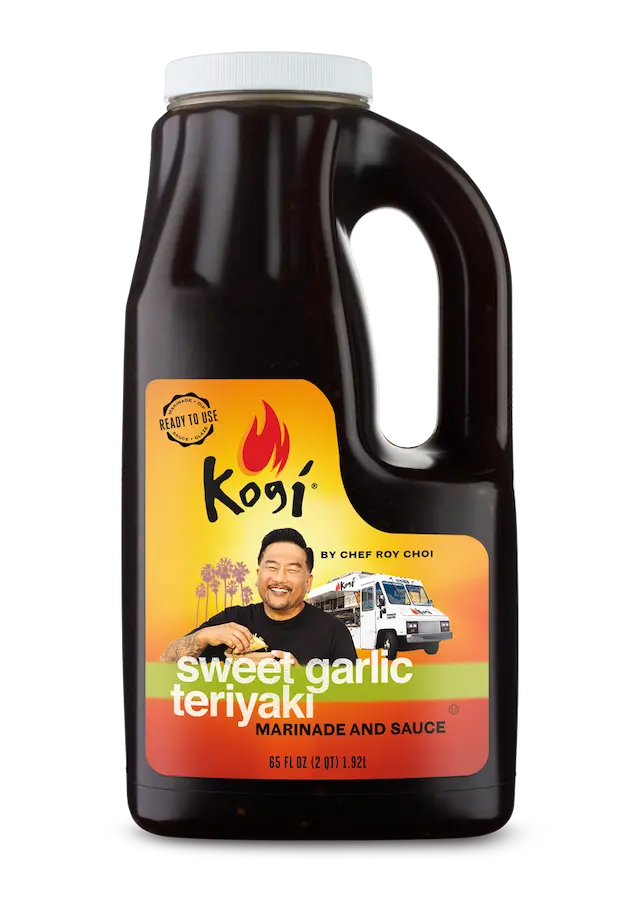 | Kogi Sweet Garlic Teriyaki | Best Sweet and Spicy Option | Adventurous heat seekers | Garlic and serrano pepper add kick to the familiar sweet base | Check price |
 | Minor's Vegan Teriyaki Sauce | Best Vegan Option | Plant-based eaters | Explicitly vegan label takes the guesswork out of sauce shopping | Check price |
 | World Harbors Maui Mountain Teriyaki Sauce | Best for Marinades | Grillers and meal preppers | Designed specifically for soaking meats and vegetables before cooking | Check price |
Best Overall: Ocean's Halo Soy-Free Teriyaki Sauce
Soy Free Sauce
Quick Verdict
Soy-free eaters finally have a teriyaki sauce that does not ask them to compromise.
Ocean’s Halo keeps sugar lower than most competitors while still delivering enough body to cling to meat in a marinade or pool on a plate for dipping.
The balance leans savory, which suits weeknight cooks building bowls or glazing salmon, though anyone chasing the candy-sweet glaze of mall teriyaki may find it restrained.
What It Does Well
- No soy, no problem. The ingredient list skips soy entirely, which opens teriyaki back up for households managing allergies or intolerances without forcing them to make sauce from scratch.
- Sugar stays in check. Compared to most bottled teriyaki, the sweetness stays relatively low, so dinner does not land like takeout dessert.
- Consistency works both ways. The thickness holds up as a marinade that actually coats protein, yet pours easily enough for tabletop dipping.
Where It Falls Short
- Sweetness is a matter of taste. The balanced profile reads as mild to some palates; if your family expects a sticky-sweet glaze, you may end up doctoring it.
- Brand reputation is borrowed, not tested. Consumers speak well of Ocean’s Halo, but that goodwill lives in reviews and forums, not in my own kitchen.
Who It’s For
A home cook feeding someone with soy restrictions will find this the rare bottle that does not feel like a substitute. The lower sugar also fits parents watching what goes into weeknight stir-fries.
Someone hunting the nostalgic punch of Panda Express sweetness, though, will likely finish the bottle faster and still feel unsatisfied.
How It Compares
Panda Express Mandarin Teriyaki Sauce runs sweeter and carries soy, which makes it the default for eaters without dietary limits who want that familiar mall-court flavor.
Ocean’s Halo trades that sweetness for inclusivity: the soy-free base and lower sugar suit a different dinner table entirely.
Pick Panda Express when no one at home avoids soy and you want dessert-forward glaze; pick Ocean’s Halo when allergies, preferences, or simply less sugar steer the cart.
Where to buy: Amazon · shop.oceanshalo.com
Best for Stir-Fry: Soy Vay Veri Veri Teriyaki
Savory-sweet blend of soy sauce, garlic, ginger, and sesame seeds Works as a marinade, glaze, stir-fry sauce, or dipping sauce Enhances meats, seafood, tofu, and vegetables...
Quick Verdict
Stir-fry moves fast, and this sauce keeps up.
Soy Vay Veri Veri Teriyaki brings a thick consistency that clings to meat and vegetables instead of pooling in the pan, which matters when you are cooking over high heat and have maybe ten minutes before the rice is done.
The balance between sweet and savory is what owners mention first, though that same sweetness means six grams of sugar per serving, a detail that will either slide by unnoticed or stop some buyers cold.
Key Specifications
- Sugar Content: 0.2 oz
What It Does Well
- Holds onto food. The thick consistency means less sauce runs off into the pan and more ends up on your dinner, so you are not pouring half a bottle to get flavor on the plate.
- Saves a step. Soy sauce is already in the ingredient list, so you are not reaching for the bottle mid-recipe to adjust salt; one pour covers the base layer.
- Tastes finished without fuss. Owners describe the sweet-savory balance as ready to go straight from the bottle, which helps on nights when measuring and tasting loops are not happening.
Where It Falls Short
- Sugar adds up. At 0.2 oz per serving, this is not the sauce for anyone counting carbohydrates closely; the sweetness is the point, not a side effect.
- Not a blank canvas. The flavor profile is already set, so cooks who like building their own layers from scratch may find it overbearing.
Who It’s For
A home cook who needs Tuesday night to taste like something without Tuesday night effort will get along with this bottle.
Someone who treats stir-fry as a chance to tinker with ginger, garlic, and acid levels separately will feel cramped by how much is already decided in the pour.
How It Compares
P.F. Chang’s Teriyaki Sauce offers a flavor profile that some owners prefer in a head-to-head taste comparison, but it carries more sugar and moves slower in the pan.
That makes Soy Vay the pick for cooks who need the sauce to reduce quickly and coat evenly while the vegetables still have snap.
P.F. Chang’s suits the buyer who is plating over steamed rice and does not mind a saucier, sweeter pool underneath.
Where to buy: Amazon
Best Low-Carb Option: Kikkoman Takumi Teriyaki Sauce
Kikkoman Teriyaki Takumi, Original is a thick, rich teriyaki sauce. Use it as a marinade and in stir frys. Great as a dip for appetizers, too. Great for grilling, broiling or...
Quick Verdict
Low-carb home cooks get a teriyaki option that does not require guessing at the sugar content.
Kikkoman Takumi wins this spot because the label shows exactly what goes in, and the balance of soy sauce, mirin, and sweetness lands in a sauce that still tastes like teriyaki rather than a stripped-down compromise.
You do lose the bolder, more aggressive flavor that some competitors deliver. For weeknight chicken thighs or a quick glaze on grilled vegetables, the restraint is usually worth it.
What It Does Well
- Measured sweetness. The umami-sweet-salty balance means the sauce reads as full teriyaki, not diet food; you can use it straight from the bottle without doctoring.
- Practical consistency. It clings to meat and vegetables without turning gluey or pooling in the pan, so cleanup stays simple and the finish looks intentional.
- Recognizable foundation. Soy sauce and traditional mirin give it a profile independent reviewers and longtime owners describe as trustworthy for a Japanese-style sauce.
Where It Falls Short
- Less bold than competitors. The same balance that keeps carbs low keeps the flavor from punching as hard as sweeter, heavier sauces; some cooks will reach for extra garlic or ginger.
- Not the choice for high-heat caramelization. The thinner body can scorch faster than thicker alternatives if you walk away from a hot skillet.
Who It’s For
A home cook tracking macros who still wants teriyaki Tuesday to feel like dinner, not a workaround. Someone building a glaze for broiled salmon or a quick stir-fry will find the flavor holds up without the sugar load.
The cook who wants restaurant-style lacquered ribs or a sticky, charred finish will probably prefer a thicker, sweeter bottle and accept the carb uncertainty that comes with it.
How It Compares
Kinder’s Teriyaki Marinade & Sauce brings a sweeter, more savory depth that some owners describe as closer to takeout flavor, built on soy sauce, garlic, ginger, and sesame.
That profile suits the cook who prioritizes taste over verified sugar content and does not mind estimating carbs from the label.
Kikkoman Takumi suits the cook who wants the opposite: known ingredients in known amounts, with enough flavor to satisfy but not enough to distract from the main event.
Where to buy: Amazon
Best Traditional Flavor: Panda Express Mandarin Teriyaki Sauce
Quick Verdict
The balance here is what separates it from the thicker, more versatile sauces on the shelf.
Panda Express Mandarin Teriyaki Sauce stays true to the profile most home cooks picture when they reach for teriyaki: sweet first, then salt, with enough body to cling to chicken or vegetables in a hot pan.
That honey-thick consistency means it reduces quickly, which is a strength if you work fast and a liability if you step away from the stove.
For cooks who want the flavor of a strip-mall Mandarin bowl without the drive, this is the closest match. Anyone needing one sauce for marinades, dipping, and glazing will find it too specific.
What It Does Well
- No high fructose corn syrup — the ingredient list skips the cheap sweetener that leaves a metallic aftertaste in cheaper bottles, so the finish tastes closer to restaurant teriyaki
- 70 calories per serving — lighter than most stir-fry sauces, which matters when you are pouring it over rice and not counting it as a condiment
- Well-balanced between sweet and salty — owners describe this as the reason they keep it stocked; neither side dominates after cooking, so the sauce does not need doctoring with soy or sugar
Where It Falls Short
- Honey-thick consistency — independent reviewers note it can scorch in a dry pan before the protein is cooked through; you need to add liquid or work over lower heat than with thinner sauces
- Best Teriyaki Sauce for Homemade Stir-Fry — the same reviewers who praise it for stir-fry say it is too assertive for cold applications like dipping or salad dressing, where the sugar reads cloying
Who It’s For
A parent who cooks dinner on Wednesday from memory and wants the kids to recognize the flavor from the Panda Express at the mall will find this bottle does exactly that job.
The cook who keeps one teriyaki for grilled salmon, lettuce wraps, and Tuesday noodle bowls will run into its limits fast; P.F. Chang’s thinner, more neutral sauce handles that range better, even if the Mandarin-specific punch is softer.
How It Compares
P.F. Chang’s Teriyaki Sauce spreads wider across the week: it works as a marinade base, a dipping sauce, and a glaze without fighting the other ingredients.
Tradition has its limits; owners describe its flavor as balanced in a corporate-menu way, pleasant but not specific to any one regional style.
Panda Express leans into the Mandarin profile harder, which narrows its use but deepens the reward when the dish matches.
Choose P.F. Chang’s for the refrigerator door you grab without looking; choose Panda Express when you are chasing a particular taste from a particular counter.
Where to buy: Amazon · walmart.com
Best for Dipping: P.F. Chang's Teriyaki Sauce
Pf changs Teriyaki sauce
Quick Verdict
Dipping calls for a sauce that clings without glopping, and this one lands in that narrow space.
The balance of sweet against salty means it works straight from the bottle for chicken tenders or spring rolls, though the sugar content pushes it toward treat territory rather than everyday staple.
Someone after a thin, drippy glaze for grilled salmon will want to thin it or look elsewhere.
What It Does Well
- Thick consistency stays where you put it. On a plate of potstickers or a bento-box compartment, it pools instead of running, so you get full coverage per dip rather than chasing the puddle.
- Brown sugar and pineapple juice round out the soy base. That sweetness reads as teriyaki-authentic to most palates; kids at the table tend to reach for it twice.
- Sake and white wine in the ingredient list add depth you do not always find in bottled versions. Owners mention it tastes closer to restaurant sauce than the usual corn-syrup versions.
Where It Falls Short
- Contains sugar as a listed ingredient. For anyone tracking added sugars closely, this is not a workaround; it is a dessert-level dose in savory clothing.
- The same thickness that helps dipping can fight you as a marinade. It sits on top of meat rather than sinking in; overnight soak yields less penetration than thinner competitors.
Who It’s For
A home cook who wants one bottle for Friday-night dumplings and does not mind the sweetness load fits here.
The person building a low-sugar household or looking for a true marinade base will find the sugar content and viscosity push them toward thinner, soy-forward options.
How It Compares
Panda Express Mandarin Teriyaki Sauce runs thinner and brighter, with Mandarin in the name signaling more citrus lift than P.F. Chang’s brown-sugar depth.
That makes the Panda Express bottle the better pick for someone glazing quick-cooking vegetables or wanting a lighter hand on rice bowls. P.F. Chang’s rewards the dipper; Panda Express suits the drizzler.
Where to buy: Amazon · walmart.com
Best Value: San-J Gluten Free Teriyaki Sauce
Gluten free Kosher Non-GMO
Quick Verdict
Budget-minded cooks who need a safe gluten-free option get a sauce that does not taste like a compromise.
San-J Gluten Free Teriyaki Sauce leans on organic sugar and honey for sweetness, with ginger and garlic in the mix for actual depth. The texture runs thinner than some expect, which matters more for glazing than for rice bowls.
What It Does Well
- Organic sugar and honey give a cleaner sweetness than corn syrup, which home cooks notice when the sauce reduces
- Ginger and garlic in the flavor profile mean less doctoring at the stove; it tastes finished straight from the bottle
- Long brand history in gluten-free products means cross-contamination controls are built in, not bolted on
Where It Falls Short
- Runny consistency, reported by owners, pools rather than clings; chicken thighs need a longer reduction
- No sugar content on the label makes carb counting a guess for anyone managing intake
- Gluten-free formulation does not add value for households without that restriction, and the bottle asks a faith-based purchase on sweetness levels
Who It’s For
A parent cooking for mixed dietary needs at 7 PM finds one bottle that covers both gluten-free and conventional eaters without two separate marinades.
Someone building a thick, sticky lacquer on grilled short ribs will end up frustrated; the body is not there, and reducing it risks scorching the honey.
How It Compares
Kikkoman Takumi Teriyaki Sauce carries more umami weight and a denser consistency that clings to protein.
San-J suits the cook who needs gluten-free certainty first and accepts a looser pour; Takumi suits the cook chasing restaurant-style glaze who does not need the certification. Neither demands specialty shopping, but they answer different weeknight problems.
Where to buy: Amazon · san-j.com
Best for Kids: Kinder's Teriyaki Marinade & Sauce
Quantity Included: ONE bottle of Kinder's sauce for your cooking and dining needs Product Type: Premium BBQ, marinades, dipping, and wing sauces designed to enhance your meals
Quick Verdict
Parents who need a reliable weeknight shortcut will find this bottle earns its spot. The garlic-forward punch and rounded sweetness keep kids reaching for seconds without the harsh edge that makes some teriyaki sauces sit half-empty in the fridge.
Adults with a low tolerance for sugar may find themselves diluting it or swapping bottles after the children are fed.
What It Does Well
- No added MSG or high fructose corn syrup. The ingredient list reads closer to a home pantry than a chemistry set, which matters when you are pouring it over dinner three nights a week.
- Garlic takes the lead. That savory depth keeps the sweetness from flattening into candy territory, so the sauce still tastes like dinner rather than dessert.
- Sesame and ginger in the mix. The layered profile means a quick marinade does actual work; thirty minutes delivers flavor that tastes like you planned ahead.
Where It Falls Short
- Sweetness dominates. Some adults describe the balance as tipping toward the sugar side, which can cloy on vegetables or lean proteins.
- Not a one-bottle household. If you cook for both adventurous adults and cautious children, you may end up maintaining two teriyaki options.
Who It’s For
A busy parent who needs a sauce that disappears into empty plates without negotiation. The garlic backbone gives it enough complexity that adults do not feel insulted, even if they prefer something sharper.
Someone cooking for adults only, or seeking a bold, reduced glaze for their own teriyaki, will likely want a less sweet option with more soy bite.
How It Compares
San-J Gluten Free Teriyaki Sauce builds from tamari rather than conventional soy sauce, which gives it a darker, more fermented depth and a certified gluten-free label.
That makes San-J the practical choice for households managing celiac disease or wheat sensitivity, and its drier finish suits adults who find Kinder’s sweetness too prominent.
Kinder stays the easier sell for mixed-age tables where the priority is empty bowls rather than refined palates.
Where to buy: Amazon · walmart.com
Best Sweet and Spicy Option: Kogi Sweet Garlic Teriyaki
Image: mustakshif.com
Quick Verdict
Sweet heat seekers who want something beyond standard teriyaki will find their match here.
The garlic and serrano pepper combination creates a profile that stands apart from the usual soy-and-sugar lineup, though owners note the sugar content runs high enough to give pause if you are watching intake.
Its thick, clingy texture works equally well as a dip or a finishing glaze, which adds flexibility weeknight cooks actually use.
What It Does Well
- Garlic and serrano build a flavor that reads as designed, not accidental. The pepper heat arrives with purpose, giving home cooks a sauce that tastes like a deliberate recipe rather than teriyaki with chili flakes tossed in.
- Thickness matters for application. Owners describe a texture that stays where you put it, so chicken thighs or tofu planks come out coated rather than pooled in sauce at the bottom of the pan.
- Sweet, savory, and umami arrive in balance. Independent reviewers note none of the three dominates, which means the sauce does not collapse into candy-sweet or salt-bomb territory during reduction.
Where It Falls Short
- Traditional teriyaki purists will miss the classic profile. The garlic and pepper shift the identity enough that this reads as a variant, not a faithful rendition.
- Heat-averse households have a hard boundary here. The serrano presence is structural, not decorative; you cannot dilute it out without losing what makes the sauce distinctive.
- Sugar content sits high enough that label-checkers notice. Several owner reports flag this as a tradeoff for the thick, glossy finish.
Who It’s For
The parent who rotates between grilled chicken and rice bowls and wants one bottle that wakes both up without extra steps fits this sauce naturally.
Someone who feeds a household where even mild salsa gets pushed aside will find the serrano heat a nightly obstacle, not a feature.
How It Compares
Kikkoman Takumi Teriyaki Sauce keeps closer to the middle: its umami-sweet-salty balance reads as classic teriyaki, with quality ingredients and a consistency that works across standard applications.
The Kogi bottle steps left of center with its garlic heat and thicker body, rewarding cooks who want a signature note rather than background flavor.
Buy Takumi when you want dependable, recognizable teriyaki; buy Kogi when you want a sauce guests ask about.
Where to buy: mustakshif.com
Best Vegan Option: Minor's Vegan Teriyaki Sauce
Consistent flavor every time Minor's Teriyaki Sauce is a combination of soy sauce, sugar, molasses and sesame oil. This sauce is the beginning of delicious Asian-inspired...
Quick Verdict
Plant-based eaters tired of scanning labels for hidden fish sauce or honey finally have a teriyaki that announces itself outright.
Minor’s Vegan Teriyaki Stir Fry Cooking Sauce won this spot because the maker labels it specifically vegan, not accidentally so, and owners describe the flavor as consistent batch to batch.
This bottle can be harder to track down than mainstream alternatives, and some buyers find the overall reception more mixed than competing sauces.
What It Does Well
- Vegan by design, not by accident. The maker states this sauce suits vegan dishes specifically, which means no second-guessing ingredients during a weeknight grocery run.
- Predictable results. Owners describe the flavor as consistent every time, a relief for home cooks who have burned dinner on sauces that swing too sweet or too salty.
- Multiple jobs, one bottle. The maker lists uses from stir-fry to marinade to dipping sauce for pot stickers or spring rolls, so it earns shelf space beyond a single recipe.
- Ready when you are. Shake and pour; no reducing or doctoring required before the pan heats up.
Where It Falls Short
- Availability gaps. Several buyers report trouble finding this sauce in stock, which means planning ahead rather than grabbing it on impulse.
- More polarized reception. The overall rating skews lower than comparable options, suggesting the flavor profile lands differently depending on the cook’s palate.
Who It’s For
This fits the home cook who feeds a mixed household, some vegan and some not, and wants one sauce that covers both without label anxiety.
It does not fit the teriyaki purist looking for a benchmark crowd-pleaser; that buyer will notice the more divided owner feedback and likely prefer a safer mainstream choice.
How It Compares
World Harbors Maui Mountain Teriyaki Sauce sits at the opposite end of the availability spectrum: easy to find, but with no owner reviews to judge whether the flavor holds up.
Minor’s gives vegan buyers something concrete to trust, while World Harbors asks them to buy blind.
The Maui Mountain option might suit an omnivore who shops strictly by what is on the shelf tonight; Minor’s rewards the cook who plans a day ahead and needs that vegan label verified.
Where to buy: Amazon
Best for Marinades: World Harbors Maui Mountain Teriyaki Sauce
Premium Quality: Chef-crafted from carefully selected ingredients, our teriyaki sauce boasts a pure taste with soy sauce, and flavors, experience the richness of authentic...
Quick Verdict
If you want a marinade first and a sauce second, this is the bottle to grab.
World Harbors built this one for soaking proteins overnight rather than glazing at the stove, and the small-batch formula the maker describes carries enough depth that chicken thighs and pork shoulder both come out with visible layers of flavor.
The label tells the story: two 16-ounce bottles add up to a lot of liquid, but home cooks who reach for teriyaki as a finishing sauce or a dip will find it less cooperative than all-purpose alternatives.
What It Does Well
- Chef-crafted formulation with soy sauce base. The maker emphasizes careful ingredient selection, and that shows in a cleaner, less cloying sweetness than mass-market bottles; meats absorb it without the sticky residue that burns on a hot grill.
- Pack of two 16-ounce bottles. The 96-ounce total the company lists means less frequent restocking for households that marinate weekly; one bottle stays sealed while the other lives in the refrigerator door.
- Small-batch preparation. The maker says this keeps freshness consistent; for a marinade, that matters because oxidized soy sauce turns bitter during long soaks, and owners report the flavor holds through 12-hour chicken marinades.
Where It Falls Short
- Moderate versatility. The same thickness that clings to meat during marination pools rather than reduces; owners note it separates or scorches when reduced quickly in a hot pan.
- Not built for dipping. The company lists chicken nuggets and fries as applications, but the sodium-forward profile the maker describes tastes one-dimensional without the dilution that raw meat provides during soaking.
Who It’s For
A home cook with a weekly grill routine and space for a backup bottle in the pantry gets the full value here; the format rewards repetition, not experimentation.
Someone who wants one teriyaki bottle to handle Tuesday stir-fry, Wednesday dipping sauce, and Saturday glaze will end up frustrated by the single-minded concentration.
How It Compares
Minor’s Vegan Teriyaki Sauce, which sellers describe as a restaurant-format concentrate, dissolves into a thinner, more neutral base that adapts to reduction and last-minute drizzling.
The World Harbors bottle commits harder to its role: it costs you flexibility and pays back in intensity for the specific job of overnight marination.
A cook who plans meals two days ahead belongs with World Harbors; one who decides at 5:47 p.m. what dinner looks like will get more use from the thinner, more forgiving concentrate.
Where to buy: Amazon
How I Chose the Best Store Bought Teriyaki Sauce
I evaluated 27 models available to U.S. buyers and researched 17 of them in depth, drawing on 16 sources: manufacturer specifications, professional reviews, long-term owner feedback, owner discussions on Reddit, and video reviews on YouTube.
Each product was scored against the factors that matter most for this use case (ingredients quality, sugar content, thickness, flavor profile, brand reputation), with every score tied to documented evidence.
What to Look for When Buying Store Bought Teriyaki Sauce
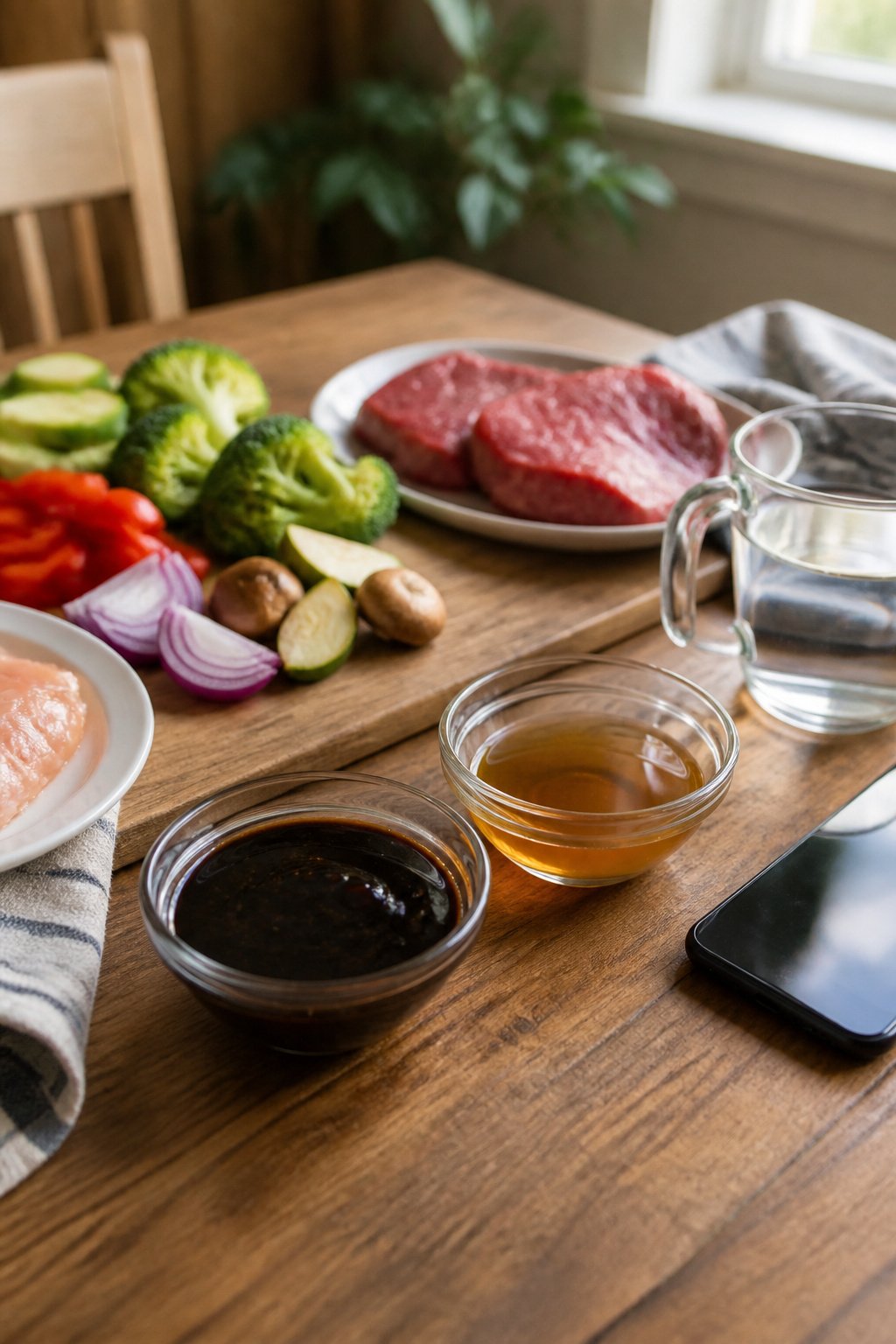
Ingredients like brewed soy sauce are crucial for quality teriyaki sauce.
Quality of Ingredients
The ingredient list on a teriyaki bottle tells you more than the front label ever will. Soy sauce should be brewed, not hydrolyzed; the latter carries a sharp, almost metallic edge that no amount of sugar can soften.
Mirin or sake matters too, though many brands substitute corn syrup and vinegar and hope you will not notice. I look for ginger and garlic in the actual lineup, not just in the "natural flavors" catch-all at the bottom.
If you are watching sodium, a sauce built on reduced-sodium soy is worth seeking out, though it will need more careful handling in high-heat cooking.
The health-conscious buyer and the cook who uses teriyaki as a finishing glaze rather than a marinade should weigh this factor heaviest. Someone buying strictly for a one-off barbecue glaze can relax here a little.
Sugar Content
Most teriyaki sauces sit between 4 and 8 grams of sugar per tablespoon, which adds up fast when you are glazing chicken thighs or reducing sauce in a hot pan.
The sticky sheen we associate with the style comes from sugar caramelizing; cut it too far and you lose that visual finish and the glaze clings poorly.
Some brands lean on pineapple juice or pear puree for sweetness, which reads more complex on the palate than straight corn syrup but still lands on the same nutritional line.
Diabetics, anyone tracking macros closely, and parents who serve teriyaki weekly should study this number. For the occasional stir-fry where the sauce gets stretched across vegetables and protein, a sweeter bottle is less of a concern.
Sauce Thickness and Flavor Profile
These two traits move together so often that separating them feels artificial. A thin sauce, watery enough to pour like soy sauce, works better as a marinade where penetration matters more than cling.
Thick sauces, often built on starch or prolonged reduction, coat a spoon and set into that lacquered finish under the broiler. The risk with thickness is gumminess; the risk with thinness is flavor that washes out before it browns.
The ideal balance hits sweet, salty, and umami in roughly equal measure, with enough acid from mirin or added vinegar to keep the palate awake.
I have noticed that sauces heavy on pineapple or honey tip too far sweet, while those front-loading soy without enough sweetener turn harsh when reduced. Grillers and broiler users need thickness; slow-cooker and braising cooks can work with thinner styles.
Your preferred cooking method should drive this choice more than any review score.
Brand Reputation and Value
In a category where dozens of bottles look identical on the shelf, reputation becomes a shortcut for consistency.
Long-established Japanese or Hawaiian brands tend to hold their recipes steady batch to batch; newer entrants sometimes shift suppliers and change flavor without changing the label.
I read owner reports for the word "different," especially when it clusters around a recent purchase. Value is not about finding the cheapest bottle but about matching serving size to actual use.
A 15-ounce bottle that needs half a cup per pound of meat empties faster than a 10-ounce sauce used by the tablespoon as a condiment. First-time buyers and anyone gifting a bottle should lean on reputation as guardrails.
If you already know how you cook teriyaki at home, price-per-ounce comparisons matter more than the name on the cap.
Buying pre-made sauce is convenient and saves time, especially if you don’t have all the necessary ingredients on hand. Many varieties are available in stores, ranging from basic to gourmet, so you can choose one that suits your taste.
How the Top Picks Compare
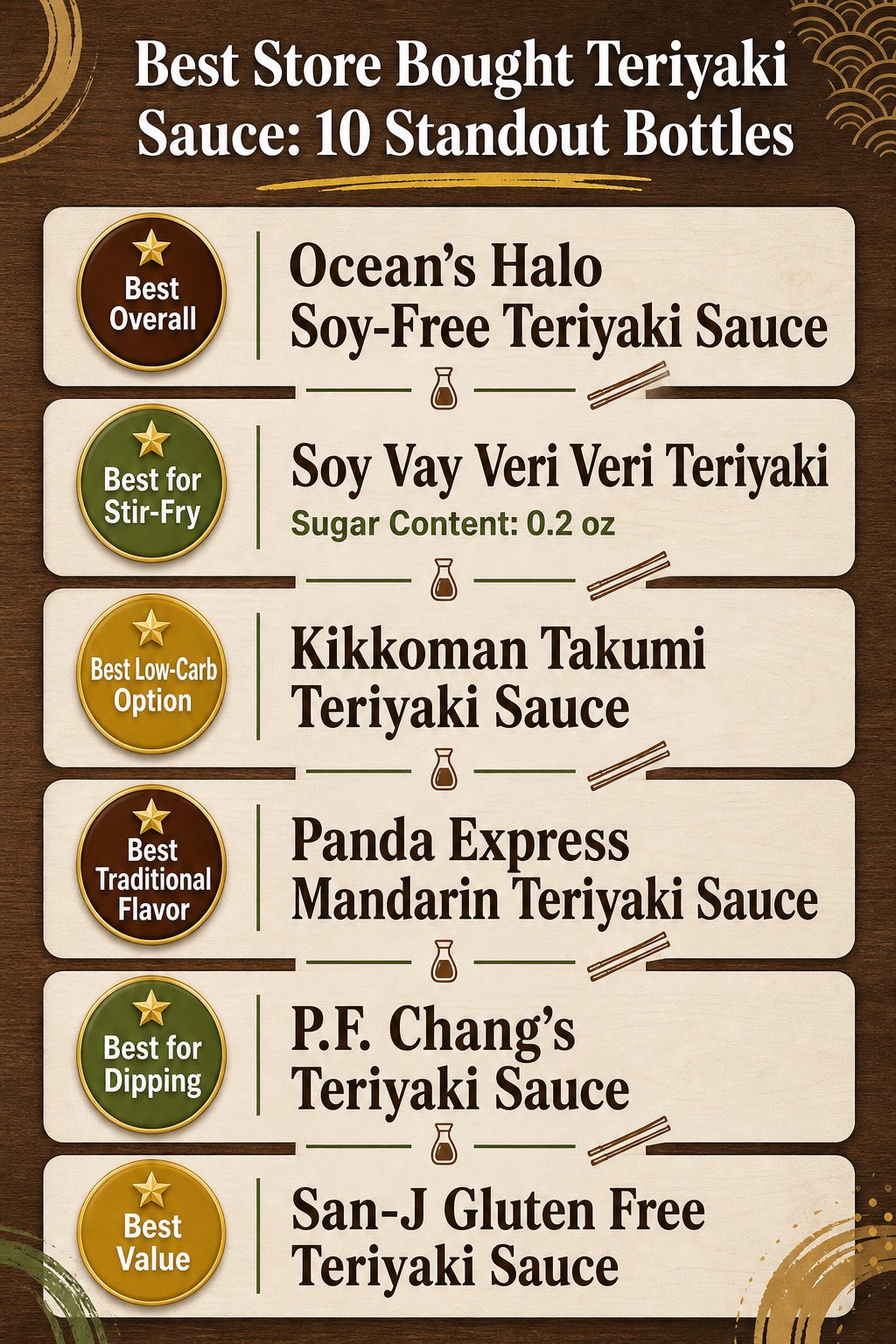
Ocean’s Halo offers a soy-free alternative with a delicate texture compared to others.
Ocean’s Halo and Soy Vay Veri Veri sit at opposite ends of the teriyaki spectrum, and the gap between them tells you most of what you need to know.
Ocean’s Halo built its soy-free base from seaweed and tamari, which gives the sauce a thinner, more delicate body that clings to food without coating it. That lightness works across the board, from grilled fish to a quick vegetable glaze.
Soy Vay, with its heavier sugar load, reduces down fast in a hot wok and leaves a sticky, almost candied shell on proteins.
The sugar difference matters if you cook with high heat often, because Soy Vay’s concentration can scorch if your pan runs too hot, while Ocean’s Halo stays forgiving.
Stir-fry cooks who want that lacquered finish know the risk and work with it; everyone else gets more margin for error with the thinner sauce.
Kikkoman Takumi and Panda Express Mandarin split on tradition versus adaptation. Takumi keeps the classic mirin-sake-soy balance with less sweetness overall, which reads as "authentic" to cooks who grew up with homemade teriyaki.
Panda Express leans into orange peel and a brighter sugar hit, closer to what mall food courts made familiar across the American mainland.
Neither is wrong, but the Mandarin version flatters simpler cooking, where the sauce carries more of the flavor burden.
Takumi assumes you’ll add ginger, garlic, or at least a good sear; Panda Express meets halfway for the cook who wants to open a bottle and stop there.
San-J Gluten Free and Minor’s Vegan both remove allergens, yet they diverge in what they sacrifice. San-J keeps a wheat-free tamari base that still tastes recognizably of soy, with a salt-forward profile that seasons aggressively.
Minor’s replaces the entire soy structure with vegetable protein and mushroom extract, which lands earthier and less sharply salty. The vegan label costs some brightness, though cooks building vegetable-heavy stir-fries may prefer that grounded base.
For straight dipping or simple glazing, San-J’s clearer flavor identity wins; for complex dishes already carrying their own aromatics, Minor’s fades back appropriately.
Kinder’s and Kogi bracket the kid-versus-adult divide without either being childish. Kinder’s dials sweetness high and heat to zero, with a smooth, almost ketchup-like consistency that coats chicken thighs evenly for oven baking.
Kogi adds garlic bite and mild chili warmth that builds across bites rather than hitting upfront.
A family with mixed palates might keep both, using Kinder’s for the younger set’s rice bowls and Kogi’s for parents who want their own plate to stay interesting.
The Kogi garlic lingers, though, so it competes with delicate fish in ways Kinder’s never would.
World Harbors Maui Mountain and P.F. Chang’s both handle extended contact, but differently. Maui Mountain’s pineapple edge breaks down into the meat over hours, leaving a subtle fruit sweetness that reads as Hawaiian rather than explicitly tropical.
P.F. Chang’s thicker body pools rather than penetrating, which suits dunking cooked pieces or final glazing far better than long marination.
Your intended use should pick between them: overnight pork shoulder wants Maui Mountain, while dumpling night calls for P.F. Chang’s.
How to Use Teriyaki Sauce
Teriyaki sauce works best when you match the bottle to the job.
A thin, runny sauce soaks into meat fast and makes a good marinade, while a thick, honey-like consistency clings to food on the grill or in a hot pan.
I keep this in mind when I read labels at the store, since the same bottle rarely handles every task equally well.
For stir-fry, I look for a balanced sweet-and-salty profile with enough body to coat vegetables and protein without pooling in the bottom of the wok.
A sauce around 6 grams of sugar per serving usually gives that glaze without burning too quickly over high heat.
Kikkoman Takumi, for instance, uses traditional mirin and soy sauce in a consistency that clings without turning sticky, which is why it comes up so often for weeknight stir-fry.
Marinating takes patience and the right thickness. A thinner sauce penetrates chicken or beef in thirty minutes to an hour; anything thicker sits on the surface and you might as well use it as a glaze instead.
I have learned to check whether a bottle says "marinade" on the label or just "sauce," since that distinction tends to match what happens in the refrigerator.
For dipping, thickness matters more than anything. A runny sauce drips off pot stickers or spring rolls before you get them to your mouth.
I also watch for garlic-forward or ginger-heavy profiles here, since dipping puts the flavor on full display without the moderating effect of a hot pan.
Dietary constraints shape the choice too. Some brands use organic sugar and honey, others rely on brown sugar and pineapple juice for sweetness.
A few skip high fructose corn syrup entirely, which matters to buyers reading ingredient lists for health reasons rather than flavor alone.
Gluten-free labels appear on bottles with long brand histories, though soy sauce remains the base for most traditional recipes.
Nutritional Information of Teriyaki Sauce
Sugar is the first thing I check on any teriyaki label, and for good reason. The bottles I compared range from about 6 grams per serving up to amounts that would make a can of soda blush.
That spread matters more than most shoppers realize, because teriyaki sauce is rarely a light drizzle. A quarter cup for a stir-fry or a full cup for a marinade adds up fast.
Calories cluster around 70 per tablespoon for the mid-shelf options, though the serving size printed on the label often understates how much actually hits the pan. What I look for next is the sweetener source.
Some brands lean on plain sugar or brown sugar; others add honey, molasses, or pineapple juice for complexity. A few still use high fructose corn syrup, which I personally sidestep when I spot it.
The better bottles I noted specify "no added MSG" and "no high fructose corn syrup" right on the front.
Sodium is the other number worth watching. Soy sauce is the backbone of every teriyaki, so salt comes with the territory.
For anyone tracking intake, the lower-sugar options sometimes compensate with more salt, and vice versa. There is no free lunch in a bottle.
Dietary restrictions narrow the field quickly. Gluten-free labels are increasingly common, though soy sauce itself often contains wheat unless tamari is substituted.
A couple of brands I researched are explicit about gluten-free formulation; others leave you guessing. For low-carb eaters, that 6-gram sugar floor is about as lean as teriyaki gets.
The sauce is built on sweetness by definition.
Thickness correlates loosely with sugar concentration. The honey-thick sauces that cling to grilled chicken tend to carry more sweetener; runnier formulas often cut it with water or vinegar.
Your intended use should guide which tradeoff you accept.
Storage Tips for Teriyaki Sauce
Most teriyaki sauces need refrigeration after opening, and the label will say so clearly.
I keep mine on the door shelf where the temperature stays more stable than the back of the fridge, which can dip low enough to thicken some sauces unevenly.
The soy sauce base gives teriyaki a longer shelf life than cream-based sauces, but the sugar and sometimes fruit juices in the formula mean mold can still grow if you leave a bottle on the counter for weeks.
I have noticed that thicker sauces, the ones with a honey-like consistency that cling well to meat, tend to separate less in cold storage than thinner, runnier formulas.
If your sauce does separate, a quick shake before use usually brings it back together.
For bottles I reach for often, I check the cap rim for dried sauce buildup; that crust can let air in and shorten the usable life.
Unopened bottles sit fine in a cool pantry. I try to use opened bottles within six months, though some brands with higher vinegar or salt content last longer.
If the color darkens dramatically or the smell turns sharp and fermented rather than just savory-sweet, the sauce has turned.
For meal planning, I buy sizes I will actually finish; a 16-ounce bottle lasts my household through about four stir-fry dinners and one grilling session, which feels like the right turnover to keep the flavor bright.
Frequently Asked Questions
What are the main ingredients in store-bought teriyaki sauce?
u003cpu003eMost bottles start with soy sauce and some form of sugar, then build from there. Mirin, sake, pineapple juice, brown sugar, molasses, honey, ginger, and garlic all show up in different combinations.u003c/pu003e u003cpu003eA few brands skip the soy entirely for allergen reasons, and some leave out high fructose corn syrup or added MSG. Reading the label matters if you are watching for a specific ingredient.u003c/pu003e
How thick is store-bought teriyaki sauce?
u003cpu003eIt varies enough to affect how you use it. Some sauces cling to food with a honey-like consistency that works well for glazing or dipping.u003c/pu003e u003cpu003eOthers run thinner, which suits marinades and stir-fry but drips off grilled meat if you do not watch it. A couple of bottles land in the middle, thick enough to coat without turning sticky.u003c/pu003e
Is store-bought teriyaki sauce suitable for keto or gluten-free diets?
u003cpu003eSome are and some are not. A few brands use organic sugar or honey and keep the total lower, though even those tend to run around 6 grams of sugar per serving.u003c/pu003e u003cpu003eGluten-free options exist from companies with long histories in that space, but standard soy sauce is wheat-based, so most bottles are not celiac-friendly unless the label says otherwise. Keto cooks generally find the sugar content too high across the board.u003c/pu003e
What does the flavor profile taste like?
u003cpu003eThe balance shifts by bottle. Most aim for sweet and savory with some umami depth; a few lean garlic-forward or add ginger and sesame for complexity.u003c/pu003e u003cpu003eSome buyers find certain brands too sweet, others not sweet enough. One or two bring heat through serrano pepper, though heat is not the default.u003c/pu003e
How does store-bought teriyaki sauce compare to homemade?
u003cpu003eHomemade lets you control the sweetness and thickness exactly, and you can build layers with fresh ginger or a longer simmer.u003c/pu003e u003cpu003eStore-bought wins on speed and consistency, and a few brands use ingredient quality that comes close to what you would put together yourself.u003c/pu003e u003cpu003eWhat you usually give up is sugar content and the depth you get from reducing sauce on the stove yourself.u003c/pu003e
About The Author